The following blog post, unless otherwise noted, was written by a member of Gamasutra’s community.
The thoughts and opinions expressed are those of the writer and not Gamasutra or its parent company.
Branding is a major part of marketing in any industry, and the game industry is no exception. For today’s post, I want to talk about how there are three kinds of video game branding, and what they mean for your studio.
1: Mascot-Driven
The earliest and easily most recognizable form of branding is mascots. From the days of Mickey Mouse to the Minions, character/mascots are an easy way to see the power of branding. Having a face/character to associate to a brand provides something instantly recognizable.
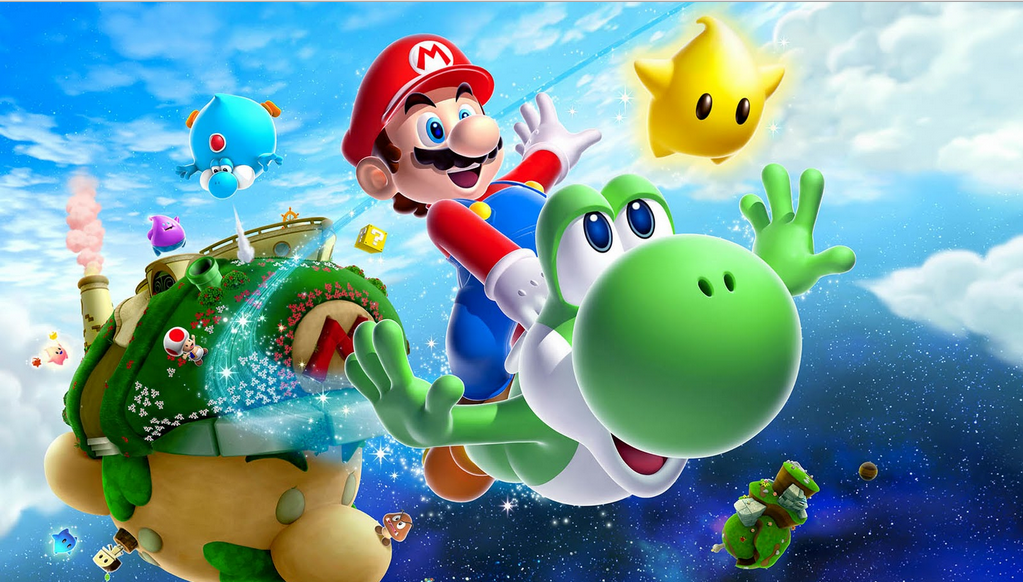
During the ’80s into the early ’00s, the game industry was focused on mascots; especially with platformers. Everyone wanted the next big mascot-driven game and to knock Mario and Sonic off of their perches. If you can get a character that becomes popular, you can easily license it to all manner of products.
Mascot characters are the most adaptable of brands when it comes to different games. The character in question will dictate what games they’ll fit best into. Putting Mario in the Olympic Games is one thing; putting Master Chief into an E-rated platformer is another. The key problem with mascot brands is that their following is limited based on the people who like the mascot; with the game being secondary.
For a far more lucrative option, we turn to franchise branding.
2: Franchises
Franchise branding is when the series itself becomes a brand. Mega franchises like Call of Duty, Battlefield and Grand Theft Auto have left big impacts on pop culture and the audience. People know when they see a game from any of these franchises what to expect, and they are more than happy to put out the money for their favorite series.
Publishers love franchise branding, as it presents a known in the game market. If the first game in a series sold X, then subsequent games should sell around that amount or more. Sequels are also easier to design in the sense that the foundation is already done; now the designer has to iterate instead of start from scratch.
The problems with franchise branding is that it becomes harder and harder to keep things going. While the mascot brands have some impact on the design, the franchise has complete control. Once you have established the design, then that’s what you’re going to be doing from that point on.
Franchise branding can lead to massive profits, but pigeonholes the design of the series
There is also the added pressure from the publisher to keep pushing the franchise up and up; even if it betrays the brand. Dead Space is the infamous example of this, as EA was expecting way too much from the horror design.
The line between growing the brand and going too far away can be thin for some designs. For our last point, I want to talk about what we’re seeing out of the Indie space and the top AAA studios.
3: Studio
Studio branding is when the game company itself becomes a brand. In this case the consumer is interested in the work from the studio more than just the game itself. Companies like Valve, Blizzard and Nintendo have each made a name for themselves. You know when a studio has reached this level when any announcement from them is met with instant coverage.
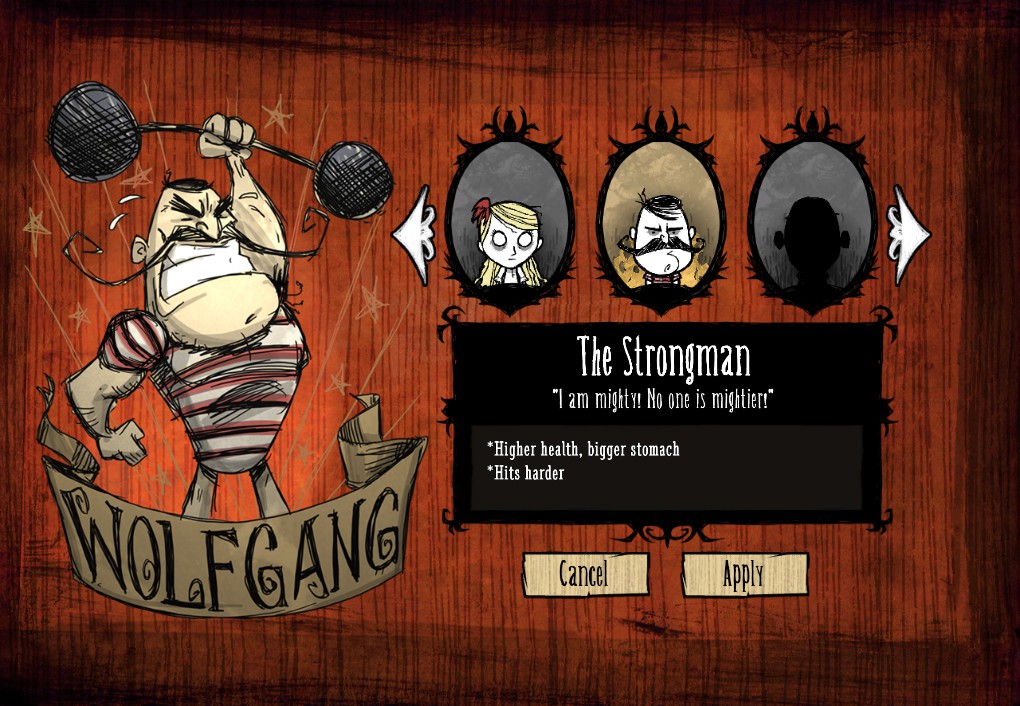
Many indie companies have become brands onto themselves, thanks to releasing consistently good games. Klei Entertainment has made multiple games of different genres, but each one carries the studio’s distinct charm and branding.
Getting to the point where your studio itself becomes a brand depends on a combination of factors: How good are the games being put out? Are there any people in your studio that have become recognizable to gamers? Are your games visually or design-wise unique enough to stand out from everyone else?
Studio branding is the hardest of the three to achieve, but easily the most rewarding. Building a fan base that is not just interested in one game, but anything you put out is amazing. Not only that, but it creates a consumer group that is actively interested in seeing you succeed, and will help get the word out about your game.
Studio branding takes a lot of time and effort, can be worth it for future titles and support
The downside should be obvious: If you betray your own studio branding and your consumers turn on you, then you might as well just close your studio. Fans can be your best cheerleaders or your worst enemies if you give them a reason. Destroying your studio branding is career suicide, and unrecoverable.
The Power of Branding:
Regardless of what kind of branding you’re aiming for with your studio, the advantages are too big to ignore. Any kind of recognition is huge for discoverability and will make it easier to sell subsequent games.
Building a brand takes time and effort to do, but it is an excellent goal to shoot for no matter who you are in the Game Industry.
The following blog post, unless otherwise noted, was written by a member of Gamasutra’s community.
The thoughts and opinions expressed are those of the writer and not Gamasutra or its parent company.
Branding is a major part of marketing in any industry, and the game industry is no exception. For today’s post, I want to talk about how there are three kinds of video game branding, and what they mean for your studio.
1: Mascot-Driven
The earliest and easily most recognizable form of branding is mascots. From the days of Mickey Mouse to the Minions, character/mascots are an easy way to see the power of branding. Having a face/character to associate to a brand provides something instantly recognizable.
During the ’80s into the early ’00s, the game industry was focused on mascots; especially with platformers. Everyone wanted the next big mascot-driven game and to knock Mario and Sonic off of their perches. If you can get a character that becomes popular, you can easily license it to all manner of products.
Mascot characters are the most adaptable of brands when it comes to different games. The character in question will dictate what games they’ll fit best into. Putting Mario in the Olympic Games is one thing; putting Master Chief into an E-rated platformer is another. The key problem with mascot brands is that their following is limited based on the people who like the mascot; with the game being secondary.
For a far more lucrative option, we turn to franchise branding.
2: Franchises
Franchise branding is when the series itself becomes a brand. Mega franchises like Call of Duty, Battlefield and Grand Theft Auto have left big impacts on pop culture and the audience. People know when they see a game from any of these franchises what to expect, and they are more than happy to put out the money for their favorite series.
Publishers love franchise branding, as it presents a known in the game market. If the first game in a series sold X, then subsequent games should sell around that amount or more. Sequels are also easier to design in the sense that the foundation is already done; now the designer has to iterate instead of start from scratch.
The problems with franchise branding is that it becomes harder and harder to keep things going. While the mascot brands have some impact on the design, the franchise has complete control. Once you have established the design, then that’s what you’re going to be doing from that point on.
Franchise branding can lead to massive profits, but pigeonholes the design of the series
There is also the added pressure from the publisher to keep pushing the franchise up and up; even if it betrays the brand. Dead Space is the infamous example of this, as EA was expecting way too much from the horror design.
The line between growing the brand and going too far away can be thin for some designs. For our last point, I want to talk about what we’re seeing out of the Indie space and the top AAA studios.
3: Studio
Studio branding is when the game company itself becomes a brand. In this case the consumer is interested in the work from the studio more than just the game itself. Companies like Valve, Blizzard and Nintendo have each made a name for themselves. You know when a studio has reached this level when any announcement from them is met with instant coverage.
Many indie companies have become brands onto themselves, thanks to releasing consistently good games. Klei Entertainment has made multiple games of different genres, but each one carries the studio’s distinct charm and branding.
Getting to the point where your studio itself becomes a brand depends on a combination of factors: How good are the games being put out? Are there any people in your studio that have become recognizable to gamers? Are your games visually or design-wise unique enough to stand out from everyone else?
Studio branding is the hardest of the three to achieve, but easily the most rewarding. Building a fan base that is not just interested in one game, but anything you put out is amazing. Not only that, but it creates a consumer group that is actively interested in seeing you succeed, and will help get the word out about your game.
Studio branding takes a lot of time and effort, can be worth it for future titles and support
The downside should be obvious: If you betray your own studio branding and your consumers turn on you, then you might as well just close your studio. Fans can be your best cheerleaders or your worst enemies if you give them a reason. Destroying your studio branding is career suicide, and unrecoverable.
The Power of Branding:
Regardless of what kind of branding you’re aiming for with your studio, the advantages are too big to ignore. Any kind of recognition is huge for discoverability and will make it easier to sell subsequent games.
Building a brand takes time and effort to do, but it is an excellent goal to shoot for no matter who you are in the Game Industry.
GRX Marketing and Creative Pharmacist announce they have formed an
exclusive partnership. The partnership aims to bring a new video
marketing service for independent pharmacy owners to utilize on their
digital media platforms. GRX Marketing is a leading provider of
customized marketing solutions to independents, and Creative Pharmacist
are pioneers in the industry in providing clinical pharmacy solutions
for this market.
Video has gained popularity in marketing to consumers, and become a
viable way for businesses not only to sell, but educate consumers as
well. According to Animoto, 95% of viewers retain a message they watch
compared to only 10% seeing it in text.
Through this partnership, independent pharmacy owners can receive
high-quality, educational videos, created by the Creative Pharmacist
team, to market their services via social media, on their website, or
through email campaigns. « In today’s landscape, utilizing video
marketing within the pharmacy’s social media and web campaigns is
vital, » said David Pope, PharmD, CDE, Chief of Innovation at Creative
Pharmacist. « The combination of our technology and targeted videos with
the expertise of the team at GRX Marketing will be a powerful resource
for pharmacies looking to take the next step in their marketing efforts. »
GRX Marketing will execute the marketing of the videos, on the various
platforms on the owner’s behalf, allowing them to easily promote their
services without the burden of writing, creating and marketing the
videos. ‘We are thrilled with to team up with Creative Pharmacist, as we
are always looking for new, initiative ways for our clients to promote
their services, and this partnership provides that unique opportunity,”
states Nicolle McClure, President of GRX Marketing.
GRX Marketing, part of GRX Holdings, LLC is in West Des Moines, IA. The
company is also the single overall owner of 20 independent pharmacy
locations in the central Iowa area. For more information about GRX
Marketing, visit www.pharmacymarketing.com.
Creative Pharmacist was co-founded by a community pharmacist and a
technology expert in 2008, Creative Pharmacist, developer of the STRAND®
clinical platform, is the U.S. market leader in helping pharmacists
launch clinical services within their community. They support community
pharmacists across the country in engaging patients with chronic
disease, such as diabetes, through STRAND®, a wide-reaching
intervention, documentation, and education platform capable of
developing the new Pharmacist eCare plan. Their mission is to transform
the community pharmacy marketplace by inspiring and empowering
pharmacists to engage clinical pharmacy practice to improve both the
health of their business and the health of their patients. For more
information, please visit: www.creativepharmacist.com.
GRX Marketing and Creative Pharmacist announce they have formed an
exclusive partnership. The partnership aims to bring a new video
marketing service for independent pharmacy owners to utilize on their
digital media platforms. GRX Marketing is a leading provider of
customized marketing solutions to independents, and Creative Pharmacist
are pioneers in the industry in providing clinical pharmacy solutions
for this market.
Video has gained popularity in marketing to consumers, and become a
viable way for businesses not only to sell, but educate consumers as
well. According to Animoto, 95% of viewers retain a message they watch
compared to only 10% seeing it in text.
Through this partnership, independent pharmacy owners can receive
high-quality, educational videos, created by the Creative Pharmacist
team, to market their services via social media, on their website, or
through email campaigns. « In today’s landscape, utilizing video
marketing within the pharmacy’s social media and web campaigns is
vital, » said David Pope, PharmD, CDE, Chief of Innovation at Creative
Pharmacist. « The combination of our technology and targeted videos with
the expertise of the team at GRX Marketing will be a powerful resource
for pharmacies looking to take the next step in their marketing efforts. »
GRX Marketing will execute the marketing of the videos, on the various
platforms on the owner’s behalf, allowing them to easily promote their
services without the burden of writing, creating and marketing the
videos. ‘We are thrilled with to team up with Creative Pharmacist, as we
are always looking for new, initiative ways for our clients to promote
their services, and this partnership provides that unique opportunity,”
states Nicolle McClure, President of GRX Marketing.
GRX Marketing, part of GRX Holdings, LLC is in West Des Moines, IA. The
company is also the single overall owner of 20 independent pharmacy
locations in the central Iowa area. For more information about GRX
Marketing, visit www.pharmacymarketing.com.
Creative Pharmacist was co-founded by a community pharmacist and a
technology expert in 2008, Creative Pharmacist, developer of the STRAND®
clinical platform, is the U.S. market leader in helping pharmacists
launch clinical services within their community. They support community
pharmacists across the country in engaging patients with chronic
disease, such as diabetes, through STRAND®, a wide-reaching
intervention, documentation, and education platform capable of
developing the new Pharmacist eCare plan. Their mission is to transform
the community pharmacy marketplace by inspiring and empowering
pharmacists to engage clinical pharmacy practice to improve both the
health of their business and the health of their patients. For more
information, please visit: www.creativepharmacist.com.
Selena Gomez‘s highly anticipated new single « Fetish » has arrived and while it’s such a cool vibe, unlike anything she’s done before, it also serves as the next installment in this latest chapter of her music career. She gave us « Bad Liar » and that jam had hands down one of her all-time best music videos to ago along with it and Fetish as we know is the next part of this story.
Fans were once again blown away by Sel’s undeniable talent when she played four different characters in the « Bad Liar » music video. More importantly though, she plays a girl who is coming to terms with her sexuality, who is crushing on her gym coach, who happens to have a flirty relationship with another teacher, who happens to be our protagonist’s own dad. A complicated love triangle to say the least, characters Selena each brings to life mind you.
But it’s a storyline that the video’s director, Jesse Perez, admitted Selena insisted on.
« She brought on this idea that somewhere within this love triangle is lesbian attraction. It just gave me another reason to do it — acknowledging that it’s not just heterosexuals in the world, » Jesse told Billboard.
So conveying such a powerful message in her music video all came from the woman herself. Selena is all about using her massive platform for good and by showcasing a different type of love story that frankly should be showcased in more mainstream media for the first time in any of her work, is why she’s the best. The music video for the new track hasn’t arrived just yet, but the audio only version of the video is here and it simply focuses on Selena’s lips as she sings the lyrics to the tune.
An interesting way to introduce the song, that’s for sure! And the lyrics suggest this complex love story form the Bad Liar video is far from over. Just take a look at the opening verse of the song:
« Take it or leave it
Baby take it or leave it
But I know you won’t leave it
‘Cause I know that you need it
Look in the mirror
When I look in the mirror
Baby I see it clearer
Why you wanna be nearer »
We can already feel the intense drama brewing! It’s going to be cool to see how she takes this song and adds another chapter to the story she started in « Bad Liar. » We’ll be waiting.
Selena Gomez‘s highly anticipated new single « Fetish » has arrived and while it’s such a cool vibe, unlike anything she’s done before, it also serves as the next installment in this latest chapter of her music career. She gave us « Bad Liar » and that jam had hands down one of her all-time best music videos to ago along with it and Fetish as we know is the next part of this story.
Fans were once again blown away by Sel’s undeniable talent when she played four different characters in the « Bad Liar » music video. More importantly though, she plays a girl who is coming to terms with her sexuality, who is crushing on her gym coach, who happens to have a flirty relationship with another teacher, who happens to be our protagonist’s own dad. A complicated love triangle to say the least, characters Selena each brings to life mind you.
But it’s a storyline that the video’s director, Jesse Perez, admitted Selena insisted on.
« She brought on this idea that somewhere within this love triangle is lesbian attraction. It just gave me another reason to do it — acknowledging that it’s not just heterosexuals in the world, » Jesse told Billboard.
So conveying such a powerful message in her music video all came from the woman herself. Selena is all about using her massive platform for good and by showcasing a different type of love story that frankly should be showcased in more mainstream media for the first time in any of her work, is why she’s the best. The music video for the new track hasn’t arrived just yet, but the audio only version of the video is here and it simply focuses on Selena’s lips as she sings the lyrics to the tune.
An interesting way to introduce the song, that’s for sure! And the lyrics suggest this complex love story form the Bad Liar video is far from over. Just take a look at the opening verse of the song:
« Take it or leave it
Baby take it or leave it
But I know you won’t leave it
‘Cause I know that you need it
Look in the mirror
When I look in the mirror
Baby I see it clearer
Why you wanna be nearer »
We can already feel the intense drama brewing! It’s going to be cool to see how she takes this song and adds another chapter to the story she started in « Bad Liar. » We’ll be waiting.
The efficacy of using videos in online marketing has long been known to digital marketers. Video content has come to dominate the web and, with it, the nature and focus of many a big brand’s marketing strategy. The power of video to increase the reach of businesses, build brand identity, boost social followings and secure valuable new leads is becoming plain to all and sundry.
Yet, despite this universal acclaim for video (something that can be seen through rising budget spend on video), there is still a huge amount of confusion as to exactly how it is helping businesses achieve their aims. Perhaps a lot of the confusion comes down to the slippery and often misleading nature of video marketing data and with it a difficulty in pinning down a reliable idea of ROI.
In this article for Search Engine People, I want to look at ten video marketing metrics and how they can be used to establish ROI. First though, let’s take a look at the importance of goal setting.
A Quick Note On The Importance Of Goal Setting
It should go without saying that video virality isn’t guaranteed, whatever your strategy. This is why it’s so important to set clear, realistic and attainable goals from the outset, will form the foundation of every solid video marketing campaign. Ensuring you have a thorough understanding of precisely what you want to achieve, balanced with realistic expectations, will help you to nurture a video marketing campaign that will flourish.
The success of any video is always related to what it is trying to achieve and not every video will be trying to achieve the same thing, depending on where it sits in the help, hub, hero content spectrum. Measuring the success of a low budget how-to video on your YouTube Channel will be very different from your latest television commercial or brand film, most notably because the production costs are far smaller and more tied into a longer term strategy of building brand awareness and advocacy over time, something that is notoriously harder to quantify.
1. Search Rankings
Monitoring how well your content is ranking for key search terms should always be one of your top priorities, especially if your video content aims to help your target audience resolve a specific issue or query.
As well as ensuring your content is being seen by the right people, ranking highly will help to increase your reach and boost a variety of other key metrics that will yield important data for further enhancing and altering your digital strategy.
2. Views
Although arguably the easiest metric to measure, it’s important not to automatically equate a high view count with success.
Your view count will provide you with a good understanding of how much traction your video has achieved, but it doesn’t mean people are watching your videos to the end for example, or acting on your CTA.
Don’t let great viewing figures distract you from delving into some of the other metrics that will provide you with additional information and context.
3. Play Rate
Providing your view count with a deeper context, this subset of data will tell you what percentage of your visitors are actually clicking the play button and engaging with your video content.
Understanding these figures is key for ensuring your videos are well-positioned on your website as, if this figure is lower than expected, you will be able to efficiently ascertain whether additional attention to placement is required.
4. Watch Time
A key metric for tracking engagement, these figures will tell you exactly how much time your viewers are spending watching your video content.
This metric will be displayed as a percentage and, generally speaking, the higher the percentage, the more successful you have been at engaging and interesting your audience.
Conversely, if you discover that your viewers aren’t finding your content engaging, closely reviewing both format and length is important, especially if your call to action is positioned at the end.
5. Subscribers
Establishing a strong subscriber base will be a key contributor to the success of your regularly produced hub and hero content.
Expanding your subscriber base will help you to increase your reach, but it will also provide you with important data that you can analyse to ascertain the demographics of your existing audience.
From here, you can look at whether your video content is attracting people from your target audience, or whether your approach needs adjusting in order to do so.
6. Social Shares
Monitoring your social shares will give you a good idea of how well your audience is engaging with your videos on social media.
Alongside increasing your reach, views, and subscribers, the knowledge you will gain about the types of content your target audience wants to share with their friends and followers on social media should form a key part of your video content strategy moving forwards.
7. Backlinks
Video is an extremely sharable type of content which means other people are more likely to link to it.
Although video isn’t necessarily the best method for building lots of backlinks, keeping an eye on this metric will help you assess how your video content is playing into your SEO strategy.
SEO metrics are often far more tangible in terms of ROI, as rankings increases ultimately lead to more onsite traffic which can be closely assessed through Google Analytics.
It’s also worth noting that more backlinks to your videos mean higher rankings in Google and, more importantly, YouTube, meaning more views and more exposure.
8. Click Through Rate (CTR)
This data will provide you with a clear indication of how persuasive your video content is at encouraging viewers to follow your calls to action.
If you want your audience to click through to a specific page on your website for further information, sign up to your mailing list or follow you on social platforms, it’s important to understand what percentage of your audience is following through and how you can improve these figures to achieve your goals.
9. A/B Testing
Although not easy to track directly through video sharing platforms, A/B testing is an extremely useful technique to assess video efficacy on your own website or within your email marketing newsletters.
Monitoring conversion rates or click through rate over set periods of time, across two different approaches, will clearly tell you which are providing you with the best results and which to ditch.
10. New Leads
The golden ticket of all marketing data; keeping a close eye on your lead generation and sales figures will always give you the most comprehensive understanding of the levels of ROI your video campaigns are achieving.
The trouble of course is that new leads generated from individual videos can be difficult to measure when you have multiple campaigns and tactics playing out across multiple platforms.
A lift in leads and sales figures are the most important indicator of good ROI however and so must always be closely monitored following the launch of a key video campaign.
Adjusting Your Video Strategy To Boost Roi
Digital marketing is in a constant state of flux, with video marketers needing to adjust their approaches to account for changeable audience expectations, variable conditions of the marketing landscape, and seasonal changes and trends.
As with any marketing strategy, accurately measuring ROI is important to help ensure you are consistently investing time, energy and resources into the areas that will yield the most positive results. This means regularly and accurately reviewing your data to ensure your tactics and campaigns are working and then acting accordingly if they aren’t.
Is your content reaching your target audience? Are your viewers are engaging with your videos in the ways you expected? Are your calls to action are working effectively? These are the questions you need your video data to be answering with as much accuracy as possible.
By Mike Wuerthele Wednesday, July 12, 2017, 07:22 am PT (10:22 am ET)
In a number of its retail locations, Apple has unveiled an interactive display with video walls demonstrating to the user what happens in a simulated living space when assorted HomeKit peripherals are activated.
The display has an iPhone, iPad, and Apple Watch set up, allowing users to toggle various single devices or chained actions. Peripherals in the video windows include the Phillips Hue light bulb, and the Hunter ceiling fan, according to a report published on Tuesday by TechCrunch.
Shoppers at the World Trade Center and Williamsburg stores in New York, and the Apple Union Square store in San Francisco can check out the new display. In the U.S., there are 28 other locations, and 15 internationally.
Stores without « The Avenue » window displays will get a a static HomeKit display area. The demonstration station will run until at least December in stores it has been installed.
Introduced in 2014, HomeKit allows users to connect to a variety of compatible so-called « internet of things » devices through the iOS Home app in conjunction with each other, as opposed to a series of disconnected interfaces. The addition of Siri control to HomeKit allows for complicated sequences of events to be induced from an iOS device or a Mac running Sierra.
As you might know, The Verge has consistently and proudly presented a column called One Video for the last 21 weeks and will hopefully continue to do so for 2,100 more. In this column, Lizzie Plaugic and I tell you just one music video you need to watch every week, why, and for how long. Usually the “why” has something to do with innovation in the music video arts, which are always changing and generally thrilling. Sometimes we’re sleepy and just think the song is nice.
But this week, to celebrate the column’s coming-of-age, I’m talking to music video director and cinematographer Glassface (aka Josh Goldenberg) about the animated Lil Yachty lyric video “Forever Young,” which was not chosen last week but was referenced. It’s a trippy cartoon, with characters drawn by 20-year-old animator Tristan Zammit. It looks like the hybrid of sleek digital art and the SNICK-throwback that just about every web brand is constantly clamoring for.
Appropriately, Lil Yachty — a rapper whose career was built off viral SoundCloud success — discovered Goldenberg on YouTube when he and co-director Rahil Ashruff made the viral video for fellow Atlanta rapper OG Maco’s debut single in 2014. Goldenberg first worked with Yachty on the video for “1 NIGHT,” the breakthrough marketing campaign for the self-proclaimed “King of the Teens,” and a fascinating collage of aesthetics that Rembert Browne recently referred to in The Fader as “rolling Tumblr, MGMT, Lisa Frank, and Montauk into four minutes of film.” There are dozens of recognizable memes and bits of ‘90s pop culture, as well as a cast of extras rounded out by teenage Vine stars and Instagram influencers.
Goldenberg’s work is crafted to travel on the internet, and “Forever Young” was designed to be broken into GIFs that could then be uploaded to Lil Yachty’s official Giphy page. You can pull out essentially any moment from the video and envision how it would move across Tumblr or Twitter, which Goldenberg says is the part of the goal of the “content” he makes. (He also made the sequence in Target’s Grammy night commercial in which Lil Yachty visits an animated lake through a Samsung Gear VR headset.)
The internet has obviously changed the way music videos are distributed and shared, and how they become hits or launch careers — with YouTube and Vevo duking it out to be the new MTV. But it has also, more subtly, changed how the music video looks and feels. I spoke to Goldenberg over the phone recently to hear a little bit more about how creators like him are shaping the music video’s new aesthetic.
This interview has been edited for clarity and length.
How did you land on this idea of doing this style of animation work in rap videos?
I’m from a graphic design background, so that’s kind of how I started out. I made my way into motion graphics, and then editing and directing. To me, a really good music video, or any piece of video content, usually incorporates a bunch of different mixed media. So that’s kind of how that developed. It was just kind of a mix of all these different skill sets I had gathered over the years. For “Forever Young,” I did some animation and I also hired a cartoonist to get it exactly how I wanted it to be.
I think animation in music videos traces back to a few things. For me it stems from ‘90s nostalgia — watching cartoons, The Simpsons, Nickelodeon, One Saturday Morning. I learned to do basic animation [when I was] young, and it was natural to incorporate it into VFX and music videos. I think it’s also recently linked to how accessible it is to draw on [top of] video with certain programs. People can easily add layers of animation to a video, and specialized animators can take it to another level and make full cartoons and 3D worlds.
It’s been done in the past in videos for people like 2Pac, Gorillaz, Kanye [West]. I think directors are starting to experiment again with the medium of the music video more lately. It’s necessary, in my opinion, to push the art forward and keep it interesting. The definition of a “music video” is always changing and it’s never really been fully defined or locked down. You can make it what you want, whether that’s a VR experience, a movie, a cartoon, or a 24-hour stream of somebody chopping wood with the song on loop. A “music video” is just a piece of visual art that stems from the song, hopefully takes it to another level, and brings the viewer closer to the song in some way.
For “Forever Young,” are there specific visual reference points that you used?
The tactile, textural stuff is just kind of part of my style. I submitted a treatment for that, so I kind of broke down the aesthetics and the ideas that I had, and built it around the TV set. I wanted the TV to be a vehicle to be able to show all these different types of media. It was a loose concept built around that.
They wanted the lyric video just to kind of start the promo for this song. In some cases, like for “1 NIGHT,” we dealt directly with Yachty and his manager, Coach. [It] was the same for the Target commercial. In this case, his label reached out and they were like, “We need a music video or a lyric video,” and they had six days to get it done. I just threw [the treatment] together in an hour after I talked to them on the phone, and that was just to get everyone on the same page so they knew what to expect.
“1 NIGHT” concept art.Provided by Josh Goldenberg
You’ve used the TV thing in other videos, right?
Yeah, I’ve definitely done that before. There’s this video called “Four Seasons” by Rome Fortune and OG Maco, and we actually filmed that the same night we filmed “U Guessed It,” which was OG Maco’s breakout video. I like having that meta element to it. I like using the TV as a way to move in and out of different worlds, and kind of expand the constraints and break rules visually.
You mentioned the “1 NIGHT” video. I read in an interview from last year that you had to ask for help coming up with what memes to include. But what in it is specifically from you?
It was definitely a mix of visually interesting things to me. The thing about the memes is like, I’m kind of up to date on that stuff, but we were really trying to hit that market and be like, “Alright, these are all relevant to this year, or they’re ridiculous enough that people are going to take notice.” I would say that pretty much the whole vibe and concept of moving through these different weird worlds and these visual scenes that wouldn’t connect together if they weren’t transitioning in the proper way, that whole journey is where my personal style and vision comes in.
The specifics were like, alright these are probably the funniest memes right now. That’s what I would outsource to people who were into that type of stuff.
YouTube, Giphy, Tumblr, these are places where people consume music videos now. Has that changed the process of creating and pitching an idea?
Yeah, I’ve definitely thought about that. I think it depends on the artist. Certain artists want a music video that’s just going to be high production value and that’s the focus. But somebody like Yachty who grew up on the internet, where he went from a nobody to being universally known, I think that’s definitely something he plays into.
If you’re on SoundCloud, Tumblr, Giphy, all that stuff, you’re looking at an endlessly scrolling stream of content. For the “1 NIGHT” video, that’s what I wanted to capture. And I wanted to make it so you could just take a clip from the video, just two seconds, and turn it into a GIF and put it online. That definitely informed the process. Yachty is more internet-focused — you want to put out stuff that’s going to be very well-received this week or this month. Other artists might want something that’s going to be higher production value, like a movie or something like that. But social media has definitely influenced how music videos are made.
Do you think there’s a point that you could trace that back to? When these considerations started coming into play?
I don’t know, honestly. I would like to say that “1 NIGHT” was the first very overt example of that, but I’m sure it was happening before.
Well, the first ones I can think of are Drake’s “Hotline Bling” and “Energy,” which explicitly demanded to be made into GIFs and memes.
I did a video similar to [“Energy,”]. The “Four Seasons” video that I mentioned is very similar to that, but it came out like two years before. [Laughs]But, no, not calling anyone out. Yeah, I definitely think “Hotline Bling” is a good example. I definitely looked at that at the time and thought, “Okay, I see what they did here, they kind of almost weaponized this content to be like ‘how are you not going to post these GIFs online?’” I think we took it to another level by adding even more randomness into it. The more obscure the imagery was, the more I felt like people would latch onto it.
Young people at this point have really finelytuned bullshit detectors, and do not want to be pandered to. How do you avoid that response?
It’s definitely a fine line. But honestly, if it’s a piece of content that people react to, whether they think it’s cool or whether they hate it, either way it’s a successful piece of content. Obviously, we don’t want to pander to anybody, but I think walking that line of ridiculous, polarizing content. It’s kind of like that saying, “All press is good press.” I believe that. We’re mainly there to get people hyped up, to get a reaction. Their personal preferences and personal tastes are totally up to them.
It’s interesting that you’re using the word “content.” Most people I know would use that word sarcastically.
I do a lot of social media, marketing, stuff like that. I guess, yeah, in a way music videos are kind of being bumped into the world of “content” at this point. There’s a line between music videos that are strictly for promotion and acting as content and then ones that are higher art, higher production value.
Is that something that’s changed over the last few years? Are there any other changes you’ve noticed?
I don’t get too excited to watch new music videos anymore. There’ll be like five music videos a year where I’ll be like, “Wow, this is a really good video. You can see that the person who made it really cared about it and brought a unique vision to it.” There are a lot of videos that are just out there to be the face of the song, but not really do anything apart from that. I’ve made the comparison before that there are certain music videos that are just a moving version of the artwork. They don’t need to use it, but they’re just there.
There are very few people who are really putting their all into it and doing something unique. I’ve seen a lot of derivative videos and a lot of videos that are out of touch with what people connect with. That’s kind of where I’m at with it, kind of a negative view of it.
Do you think there have been any really good videos yet this year?
This year, shit. I liked [Playboi Carti’s] “Magnolia” video that just came out. A lot of people hit me up thinking that I did that video, so that was pretty funny. I don’t know. I’m trying to think. There was a Rae Sremmurd video with Kendrick Lamar that was directed by Nabil, I liked that one a lot. All of Kendrick’s videos are great. He’s got amazing directors. He’s found a way to hit that crazy high-budget, high-quality cinematography and high-production video but also make it interesting enough for young people to actually watch it.
Are there any artists or any songs that you would really like to make visuals for?
I still want to make a video for A$AP Rocky. I started out doing music video stuff right when A$AP Mob was getting big, and he was just always an artist who, I loved his videos. I was like, “I need to get a shot to make one of these.” Ugly God is another one. I want to do more like indie band stuff. I would do a SZA video, also.
I love her new album.
Yeah, I listened to her song “The Weekend” probably 100 times. That one doesn’t have a video yet, I don’t think. So… that one.