Archives par mot-clé : marketing

What it costs to run an independent video game store

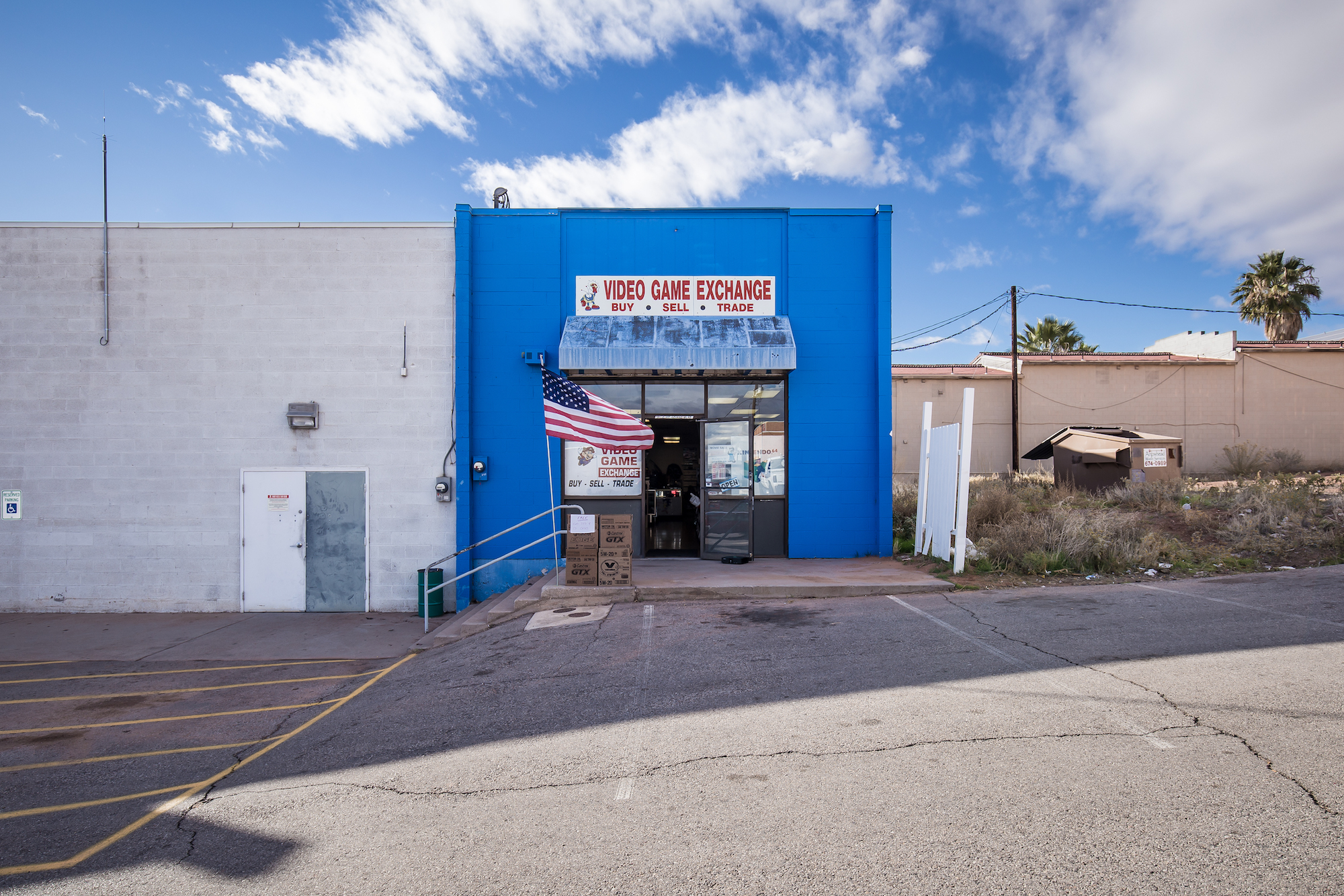
Since 1985, Joel Riplie has opened 45 video game stores. Calling each Video Game Exchange, he approaches them like a reality show — he finds a location, fixes it up, stocks it with games, gets the business running smoothly and then, when the right offer comes along, he sells it.

« Any time somebody calls in, we go to the warehouse and dig out an inventory and we open another store, » he says, initially taking my call in the back of his shop, away from customers, because he thinks I might want to buy it.

The strategy has worked well for Riplie, allowing him to live across the U.S. and kickstart dozens of small businesses. He keeps a warehouse with enough stock to open 10 stores « tomorrow » if the situation presents itself, he says.

But in recent years he’s seen less demand from those looking to buy him out. He’s been in one of his current locations for more than seven years. The calls have become less frequent.

It’s an old story at this point — internet sales and large corporations have made it harder for small stores to compete, and the game industry adds its own challenges. In 2017, even mainstream retail chain GameStop has been struggling to keep up as more and more players buy games online.


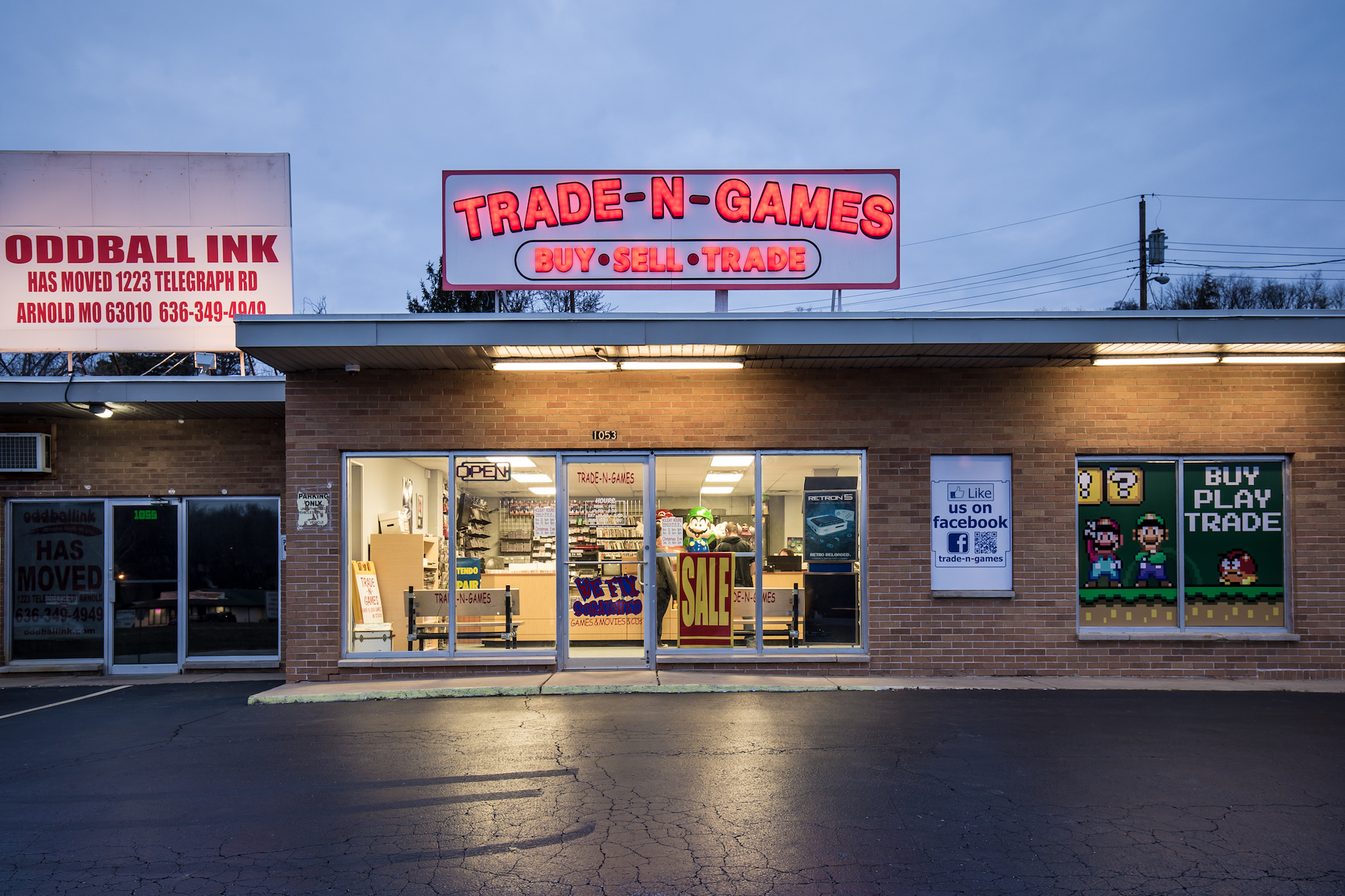
Trade N Games in Fenton, Mo.
Jonathan Castillo

Riplie, who eventually plans to double down on online sales as an exit plan, gives his retail business five to 10 years. « I’m not sure that I think it’s gonna be around in 10 or 20 years, » he says. « I really don’t. »

Jason Brassard, owner of Trade N Games in Fenton, Mo., gives the same five-to-10-year timeframe. « I don’t think this industry, in retail, is left in 10 years, » he says. « … No, not in the least bit. I mean, there will be some collectibles, but paying two employees who work full time and paying a few thousand in rent, nah. No way. Not a chance. »

To break down why some feel this way, we recently dug into the specific costs of running an independent game store in the U.S., and talked to more than 15 store owners and managers about the process. From telling stories of Amazon selling games for less than wholesale distributors, to opening their books and showing the costs of everything from insurance to paper towels, they paint a picture of an industry doing its best to keep its head above water.

Some disagree with the five-to-10-year predictions and say they expect to be around for the long haul, pointing to loyal customers and a recent upswing in retro collectors, but most agree it’s a tough business with ever-growing challenges in making the math work.

Photo tour

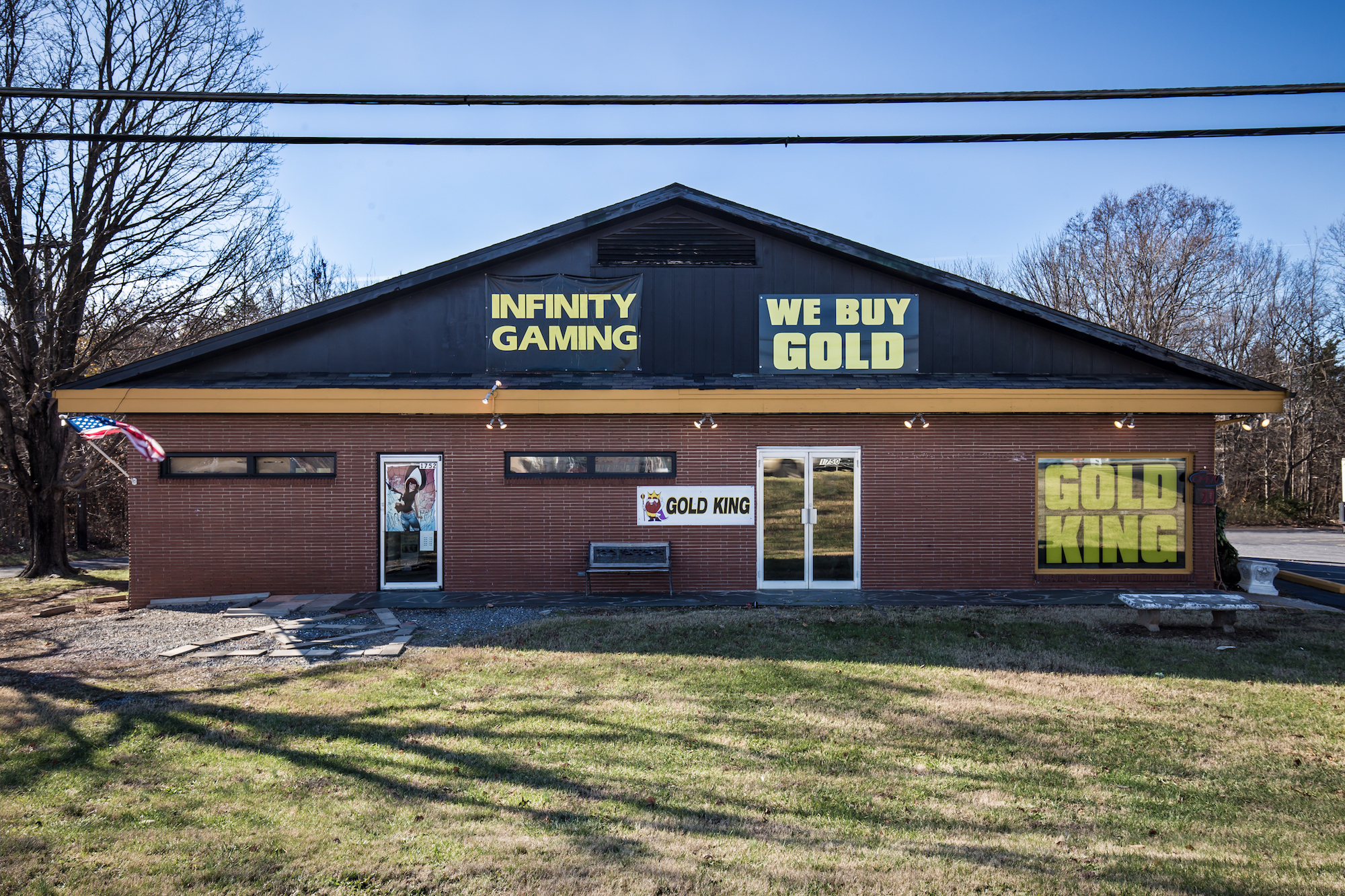
Photographer Jonathan Castillo recently drove from California to New Hampshire, taking photos of small game stores along the way. You can see his work scattered throughout this story.

Wholesale costs

One of the first lessons many store owners learn is that they aren’t part of the game industry. They exist on its fringes, and it will humor them, but game publishers hold the cards. If small stores want to play, they play by publishers’ rules.

Case in point: new game sales.

In the late ’80s, a store owner could buy an NES game for around $25 wholesale from a distributor and sell it for, in some cases, $50. Accounting for inflation, today that would mean a profit of just under $50 per sale.

In our research of wholesale rates available to small stores in 2017, the lowest price we found — for a new game that retails at $60 — was $49. The highest was $59, and most fell between $50 and $55. So in a hypothetical utopia, a store could make $11 per sale. Yet there are hurdles that prevent them from making even that much.

In most cases, they pay more per copy — of the stores we spoke to, only one has gotten a $49 rate in recent years, and that came with buying a few hundred copies at a time, which many stores can’t handle. Stores also have to factor in shipping costs (or gas if they use a local distributor), taxes and credit card processing fees, on top of rent, payroll and the general costs of running a business.

Excluding broader store costs, many locations end up making $5 or $6 per sale, and that’s if they sell every copy they bring in. From there, things get more complicated when game publishers decide to lower the game’s official sale price before a store sells through the stock it bought at the original rate.

« Video games nowadays price-drop faster than I’ve ever seen before, » says Spenser Brossman at Complete in Box in Ephrata, Pa. « There are times where we’ll order a $60 game and a week, maybe a week and a half later it’ll be down to 40 bucks. »

It makes for a gamble as stores have to guess how many copies they can sell before a game drops in price.

« I always joke to my guys that I always get it wrong, » says Brossman.

Nearly everyone we spoke to for this story praised Nintendo as a publisher that generally doesn’t drop the retail price on its games, but some point to the 2016 fall lineup as particularly tough for price drops from other publishers, calling out games like Battleborn and Call of Duty: Infinite Warfare that dropped quicker than expected.


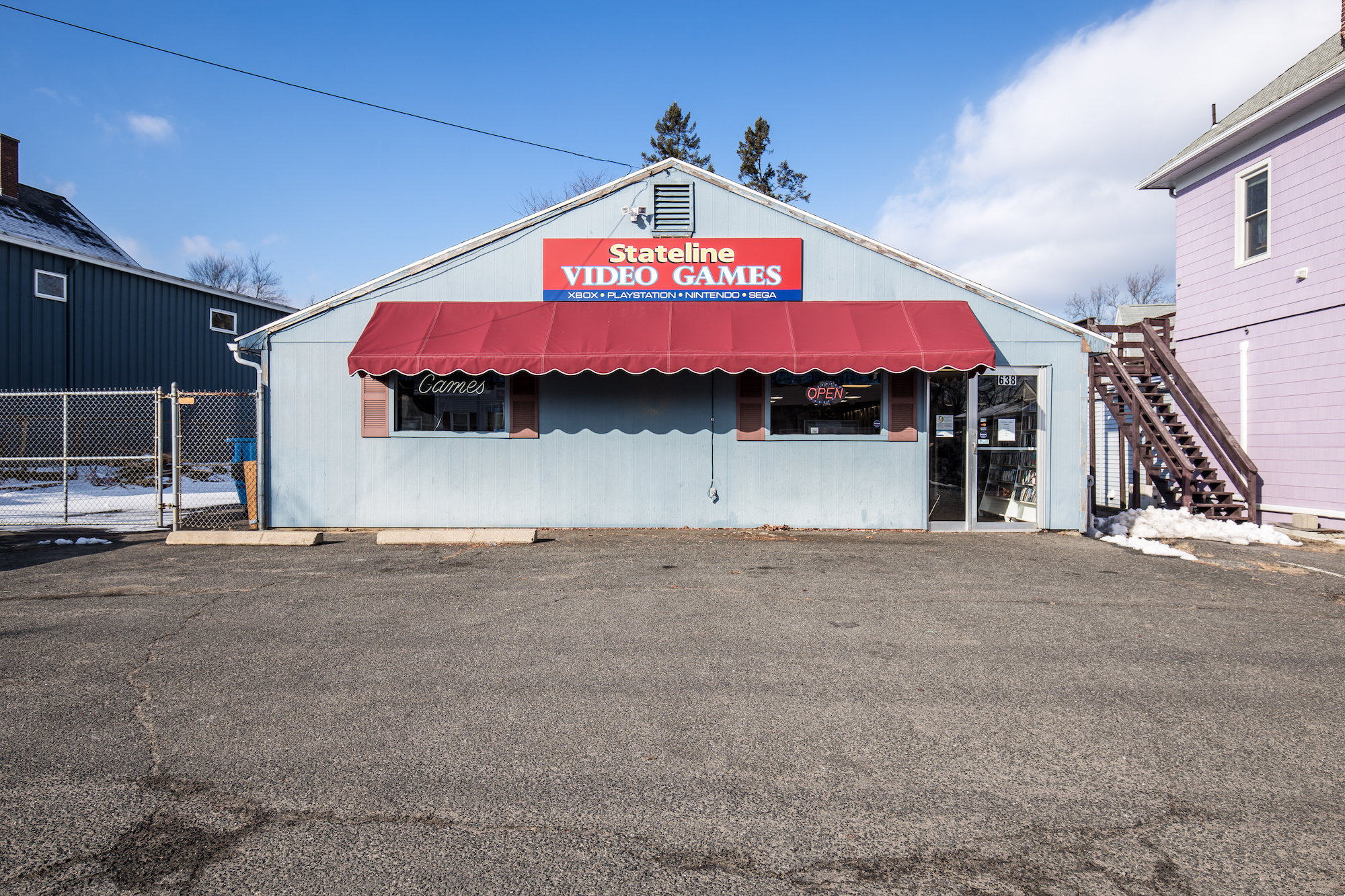
Stateline Video Games in Feeding Hills, Mass.
Jonathan Castillo

« In the case of Battleborn … within a week it had dropped 10 bucks so there goes our entire profit, » says Edgar Garcia at World 8 in Los Angeles, Calif. « So we’re trying to break even, but then the reviews come out or Overwatch gets more praise and then it gets dropped another 10 bucks and now we’re losing 10 bucks every time we sell a copy. »

« Your profit margin is so slim on these games, » says Frank Bond of Stateline Video Games in Feeding Hills, Mass. « I have a whole showcase full of games we’re selling online right now, of games I probably paid $52 for and I’m selling for $15 and $12. »

These sorts of numbers are why many independent stores have long avoided new game sales, focusing on used games and other services.

Brassard at Trade N Games stopped carrying new games years ago. He says the main issue isn’t that he would lose money if he stocked them but that it would tie up capital he could put to better use elsewhere. Brassard says he used to stomach the thin margins on new games because they encouraged customers to trade in more used games in order to afford the new ones, but in the long run, it wasn’t worth it.

« We’ve done the math, » he says. « … It’d be a $25,000 investment in new releases just to keep it flowing in and out. Minimum. »

Jake Stoner at Cap’n Games in Sparks, Nev. simply has an Amazon Prime account and preorders one copy of every new game. Since Amazon offers 20 percent off preorders, he gets a lower per-unit price than distributors offer. Then he turns those around for a $5 profit on each.

« I don’t try to mislead my customers, but I’ll let them know that I’ll have one, » he says. « So if you want it, that’s great. I don’t have an issue with that. But I’ll only have one. And that works OK. But most of the time, I just refer people elsewhere. »

For some like Brossman at Complete in Box, though, it’s worth it to suck it up and play the distribution game. He points out that certain items have even worse margins than new games, noting that he pays $29.90 for a Microsoft gift card that sells for $30. If a customer buys that with a credit card, his store loses money on the sale.

« Sometimes you just kind of have to eat it, » he says. « … You just do that, just hoping, ‘Well I hope they’ll remember this. I hope that they’ll come back.' »

Street dates

For stores that carry new games, another challenge comes with sometimes having to sell lesser versions of those games. While GameStop, Amazon and others carry enough weight to strike deals with game publishers for exclusive pre-order bonuses on some games, small stores are generally stuck with vanilla copies.

As a way to give themselves an advantage, some small stores choose to sell games before their official release dates — a move that helps them sell through new stock quickly but comes with a certain amount of risk.

Similar to the tough margins, this isn’t new. Game publishers have been cracking down on stores that break street dates for decades, sifting out unreliable distributors and retailers. And distributors often have formal processes in place — some take the option away from stores by delivering games less than a day ahead of release or forcing stores to pick games up in person if they want them on the day. They also typically make stores sign contracts with large penalties if those stores get caught breaking dates.

Complete in Box has to sign a new agreement with distributor DH every fall, for instance, specially mentioning that it won’t sell Activision products early. The types of agreements vary by publisher and distributor.

« There’s been places around here that have done it on purpose, selling stuff early, » says Spenser Brossman of Compete in Box, « and Activision will go to DH and be like, ‘What’s up?’ And DH will go, ‘Well, we’re dropping them.’ And that’s huge. Because say if we were dropped … it’s like, ‘Oh man, we only have a couple more choices.’ Or we’ve got to worry about shipping them from super far away or whatever the case is. »

Jay Gelman, CEO of distributor Alliance, says he’s had to cut stores off for breaking street dates in the past, « when we were more trusting, » but he doesn’t see violations often these days.

Alliance funnels games to a wide range of customers, from independent stores to major retail chains like GameStop and Burlington Coat Factory, and helps with fulfillment orders from websites like Walmart.com and Target.com. And Gelman says that over the 14 years Alliance has been in business, he’s seen publishers (« vendors ») get much more aggressive about finding which games end up where.


At Cap’n Games in in Sparks, Nev., owner Jake Stoner bypasses wholesale distributors and buys new games from Amazon, making it impossible for him to break street dates.
Jonathan Castillo

« The thing about this business which is very difficult is there’s no exclusivity, » he says. « So the same retailer could buy the same game from me and buy it from one of my competitors, and if my competitor’s not as vigilant, that retailer could break the street date while I had nothing to do with that offense. That’s where the vendors have become much better. They’ve identified that a lot more and I would say have weeded out certain distributors that were issues when it came to street dates. »

Despite that, some stores still work around the system.

When Garcia started World 8 in Los Angeles, he admits he broke street dates. In the store’s first couple years, he was buying in small quantities and didn’t have agreements in place with larger distributors, so he would often find ways of getting games without signing contracts. And when he did, he figured selling those games early would give World 8 an edge.

« The thing is, it’s not technically a law, » he says. « There’s no law saying you can’t. It’s just a contract thing. »

He says he never got in trouble, but when his store grew and signed with larger distributors, he saw they had more formal processes in place and decided it wasn’t worth the risk and hassle.

« My most hated release of every year is the 2Ks, » he says. « When NBA 2K or Madden, or any 2K really, comes out, people go nuts. And they’re willing to pay $100, and they’ll show up to the store and they’ll say, ‘Oh hey, do you have this game?’ And we’ll say, ‘No, it’ll be out next week.’ And they’ll say, ‘I know you have it. I’ll give you an extra hundred dollars,’ blah blah blah. We could do it, but there’s no loyalty there. These guys are not going to think of us when they buy a game. They’re just going to go to every store until they get it. »

Another store owner, who requested anonymity so game publishers won’t hassle him, says he regularly breaks street dates because it generates loyal customers, noting that selling a game even an hour early can make a big difference to people.

He says he’s been selling games early for years and isn’t overly worried because he doesn’t sign contracts — i.e., if he got caught, his distributor would be the one to get in trouble, not him. He simply is careful about who he sells to, makes sure not to give out dated receipts on those sales and if anyone comes around asking questions, he denies the sales happened.

Financially, he says he doesn’t see a big upside from these sales; he doesn’t charge more for them. He just thinks it’s fair because of how difficult game publishers make it for small stores to profit on new game sales otherwise.

Used games

With all the challenges tied to new game sales, the big money for small stores has long come from cutting out the middleman and selling used games. And that’s where many store owners and managers waver on the health of the business.

On a base level, the margins work much more in their favor. Many owners and managers speak proudly about giving customers more money or credit for their games than GameStop and selling games back to customers for less than GameStop, all while making larger margins than they do on new games. They say the only times that’s not the case are when GameStop offers special promotions.

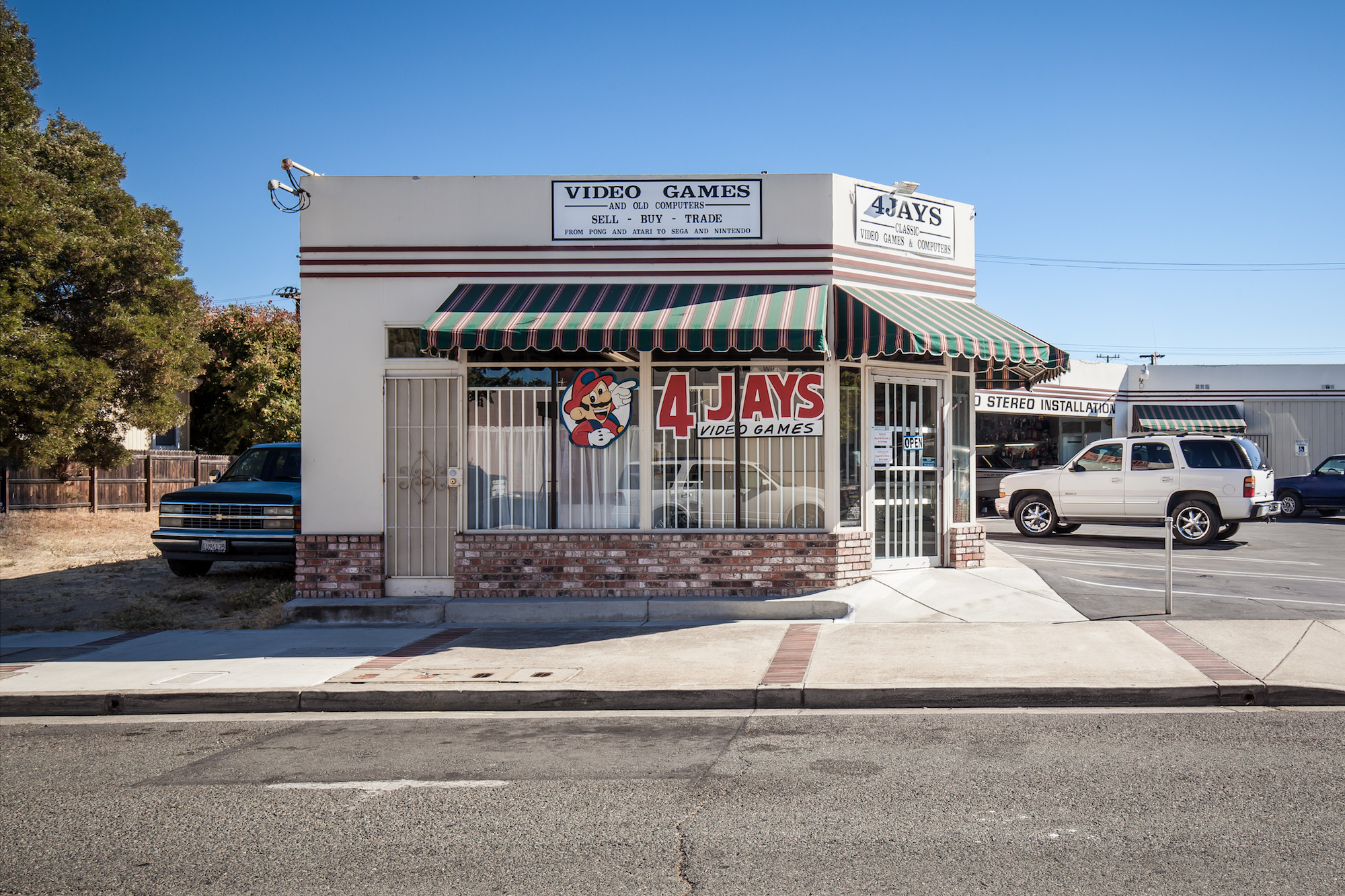
The margins vary wildly depending on the store and game. At Core Gaming in Salem, N.H., Matt Hickey says they generally mark up games 75% above what they pay for them to offset a large inventory and showroom. At 4JAYS in Antioch, CA, Jody De Amaral says they typically mark a $1 game up 100% but scale down from there, getting down to 25 to 35% as the game becomes worth around $40. Some stores skew higher, and their customers often feel gouged. Others skew lower and try to make up the difference in volume.

A handful of stores also point to a « retro boom » over the past five years, noting significantly increased interest in games more than 10 years old.

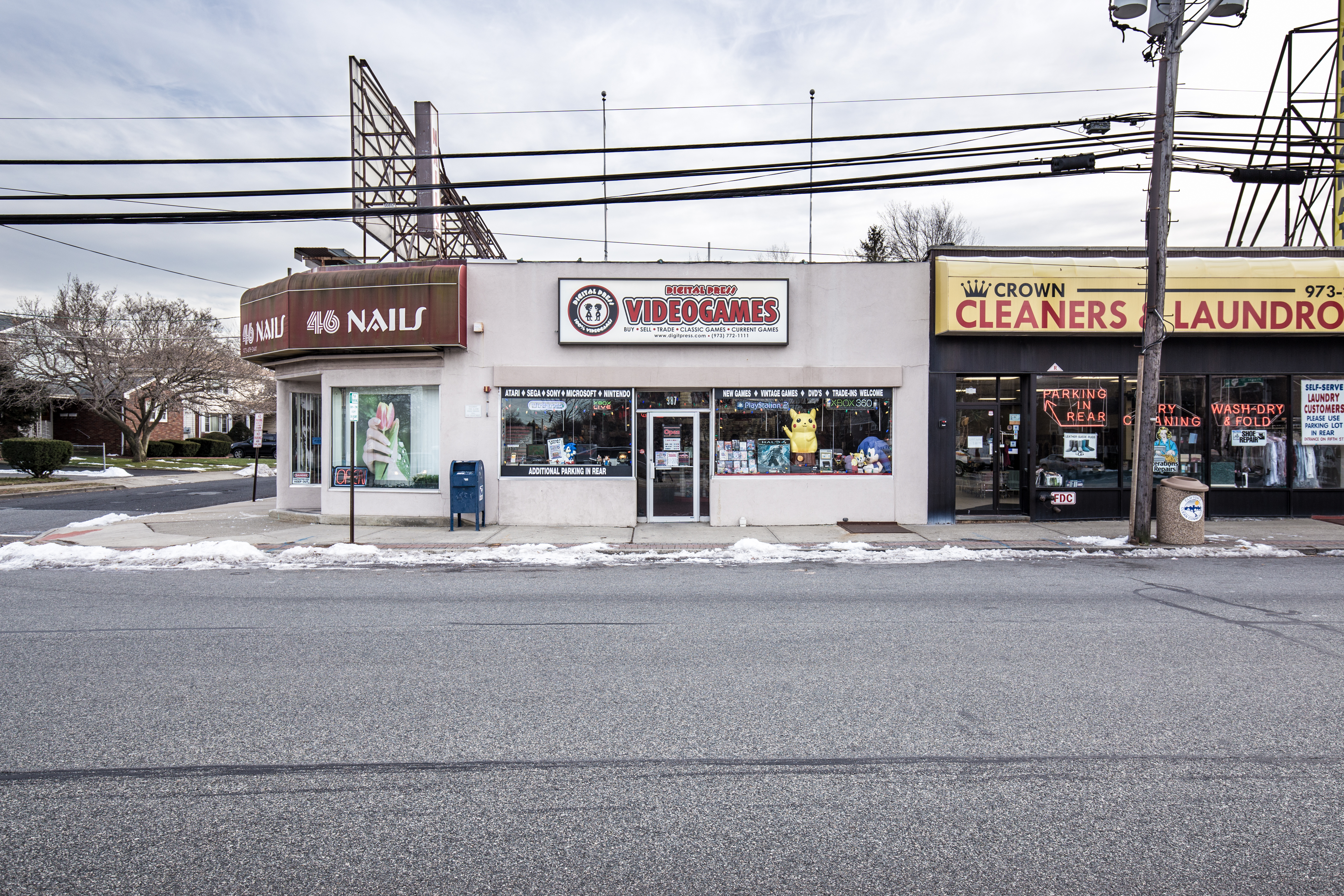
At Digital Press in Clifton, N.J., Leonard Agrusti says that, over the past three years, he’s seen five rival retro game stores open within 30 minutes of him. And he’s seen a number of retro trends that the store has been able to ride from a massive uptick in NES collecting in 2015 to, « out of nowhere, » PSPs selling super fast in late 2016.


Many stores we spoke to for this story reported Nintendo games among their best sellers, noting that — on average — Nintendo’s games tend to hold their value better than those from other publishers.
Jonathan Castillo

Multiple stores point out how they are ideally positioned to hop on trends like these, overstocking Pokémon games when Pokémon Go funneled customers their way and advertising alternatives to Nintendo’s NES Classic when it sold out.

The downsides list runs long, though, largely revolving around the inevitable internet competition and how players can buy and sell online with an almost unlimited audience. Since eBay took off in the late ’90s, this problem has been hanging around, and many stores say it’s gotten worse in recent years.

For 4JAYS, this means they see far fewer rare games and big deliveries from customers. In the store’s early days in the late ’90s, De Amaral says they regularly took in valuable collections, in part because they were one of the only stores nearby buying games from the public. She remembers a time a customer drove a van of Atari and Commodore computers up from Los Angeles — about a six-hour drive — just to get rid of them for a dollar a piece. Or other times, customers would invite 4JAYS staff to their houses to help clear out garages filled with games.

« We literally would just be getting in car loads full of stuff because people didn’t want it, » says De Amaral. « They didn’t know what to do with it anymore. »

Now, De Amaral says, those sorts of collections don’t fall into their laps nearly as often. And many stores point out that when customers sell games, they tend to be much pickier about checking prices online first. They aren’t hurting for options.

« If you just talk Craigslist, sure, » says Trade N Games’ Brassard, « but let’s just talk Facebook sale pages. Let’s talk Let Go. Let’s talk Flip It. Let’s talk all these other outlets … people can take payments and swipe them on their phones when they meet in a parking lot, or they can just take PayPal now verbally, and so on. It used to be they would have to go to a store if they needed cash quick, but nowadays a lot of people don’t even see cash. »


Complete in Box in Ephrata, Pa. sells mystery bags of old games for customers willing to take their chances.
Jonathan Castillo

Depending on where a store is located, it may also have to deal with laws rooted in pawn shop sales that require stores to hold merchandise it buys from the public before selling it. At People Play Games in Chicago, IL and Video Game Exchange in St. George, UT, for example, they have to hold used merchandise they buy for 30 days, which ties up money.

« It’s a little bit difficult when you’re coming on to holiday seasons and you’re seeing good deals that are coming in the door, but you’re on a 30-day hold, » says Riplie at Video Game Exchange.

Still, some see the benefit of convenience of having a local store and think it overshadows many of the other issues.

« Amazon, eBay, Half.com, all those places, you want to think they would hurt you as a small business, » says Stoner at Cap’n Games. « I mean, you really want to. ‘There’s so much competition, and blah blah blah.’ But a lot of people are lazy. Or they’ve been burned so hard on eBay or Amazon that they don’t want to deal with that anymore, and so they’d rather shop local. They’d rather go pick it up and hold it in their hands today versus wait three days, get something that’s crap and then have to send it back and deal with that headache. »

And some also see the internet as an advantage, finding success in Google and Facebook marketing.

« Facebook’s been huge for us, » says De Amaral at 4JAYS. « Since we started doing Facebook, we’ve gotten a ton more business. » She says the difference is particularly notable when compared to legacy marketing ideas like newspaper ads and local flyers. « No one’s really looking at that stuff anymore, it seems. »


World 8 in Los Angeles, Calif. makes more selling merchandise than it does video games.
Jonathan Castillo

To adapt with the changes in times, many small stores are also expanding more and more beyond game sales. They are focusing more on peripheral merchandise like statues and plush dolls, holding more tournaments and doing more hardware repairs. Basically, they’re using the idea of them as game stores to get people in the door, then finding related items or services to sell once customers show up.

In the case of Alhambra, Calif.-based Japan Video Games, the store has kept its name from its early days as an import game shop but generally no longer carries video games, focusing on licensed toys instead.

« There’s no way we could keep the store open selling strictly video games, » says World 8’s Garcia. « Fortunately, in the last two/three years we’ve gotten into all sorts of other stuff. … I mean, whatever we could to make up the numbers to try to break even. » He estimates that 75% of the store’s profits come from nongame items.

Multiple stores point out that one of the key upsides to selling items other than games is they work well as impulse buys, and they aren’t the sorts of things customers always know to look for online or know what they should expect to pay for them. At Complete in Box, Brossman says they regularly sell action figures and comic books at a 100% markup over the wholesale cost, though it can be harder to predict how well these will sell well compared to games.


Cap’n Games in Sparks, Nev. keeps its test and repair station organized.
Jonathan Castillo

At Digital Press, a store with its deep roots in the classic game collecting community, Agrusti says they are doubling down on things customers can’t always do themselves, such as repairs.

« Doing repairs, I feel like, is much more important now than ever, » he says, noting that many older consoles are reaching the age that they are starting to break down more regularly. « Because when we started, we did the basic repairs, like repinning NESs, replacing batteries in games. Now we’re doing a bit more. There’s more things you have to do. Replacing the back of the Super Nintendo happens a lot more now. »

That extends to mods as well, he says, and he sees the demand for those continually rise.

« Almost everyone’s trying to put an HDMI in everything these days, » he says.

Hidden costs

Any time a store deals with buying games from the public, it has to consider variable factors as well — such as theft, seller scams and a wide range of customer tricks.

The majority of stores we spoke to say they run into minor issues with customers trying to sell pirated or stolen games, and that those have calmed down over the years.

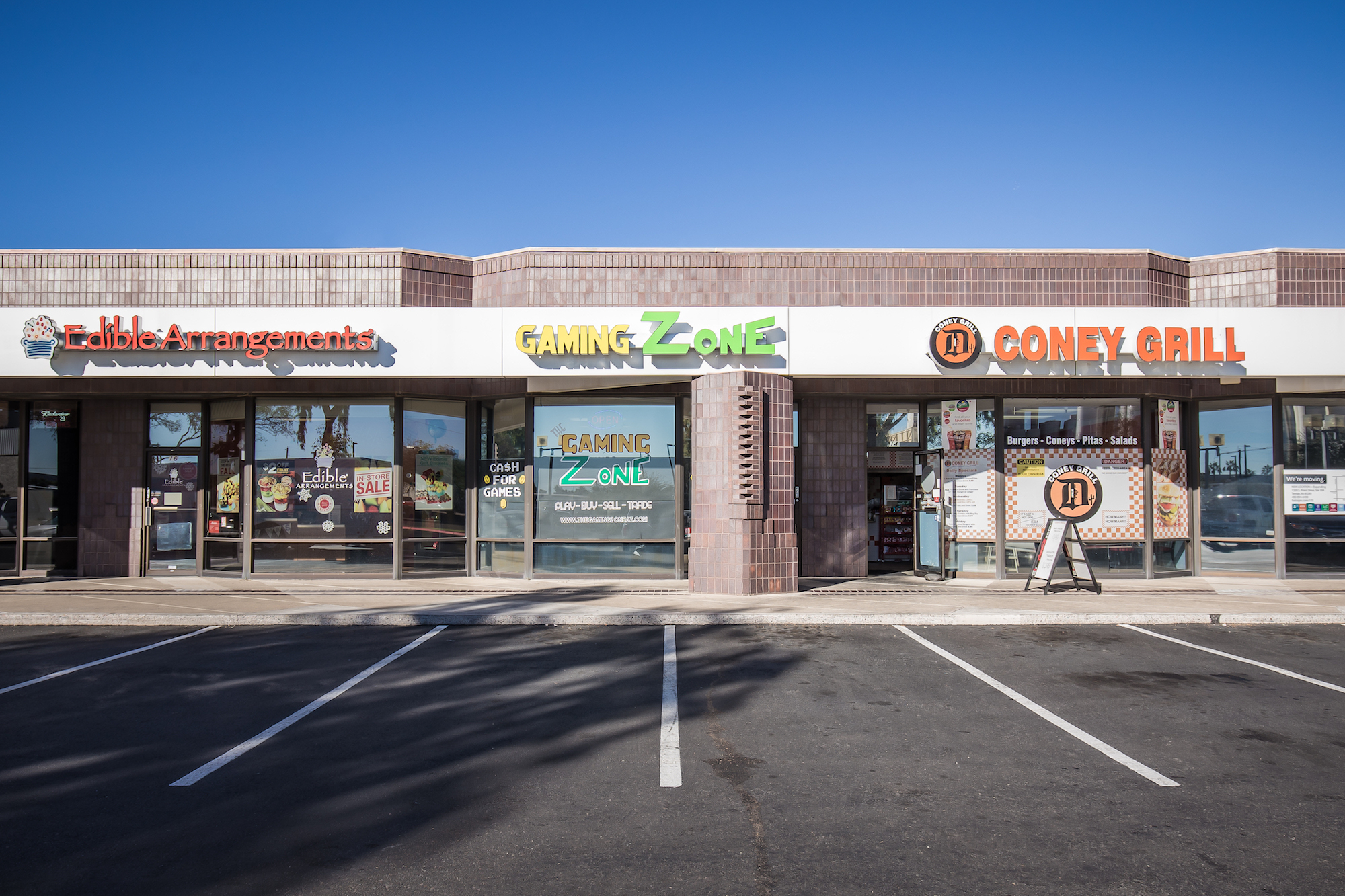
« Most of the time we get pirated stuff in, it’s not on purpose, » says Alejandro Ramirez at The Gaming Zone in Tempe, Ariz. « It’s like, ‘Oh I’ve got this stack of burned games. Do you guys want it?’ And we’re like, ‘No.' »

« I know how to spot a fake Pokémon game a mile away, » says Bond at Stateline.

When customers arrive with stolen games or consoles, stores get similarly cautious because of the financial risk. Policies range by store, with some requiring fingerprints that go into a police database, but many say they regularly decline to purchase anything they even suspect could be stolen. It’s not worth the risk of the police seizing it, they say, leaving the store out whatever it paid.

« If a guy comes in and tries to sell you a PlayStation for 10, 20 bucks, you know it’s stolen, » says Garcia at World 8. « But you know, it’s a tough business so most people would just go, ‘Yeah that’s fine. Whatever.’ Because they don’t expect anyone to follow through with trying to find an old system. But it happens. »


At People Play Games in Chicago, Ill., the staff has to hold anything purchased from customers for 30 days before selling it, due to local laws.
Jonathan Castillo

Then there’s an issue that many retail stores face from time to time: robberies.

Stoner at Cap’n Games recalls a recent incident where a man called the store just before closing time, asking for it to stay open so he could sell a PlayStation 4 Pro. Stoner’s wife stayed and the guy arrived, offering the console for $80 while his friend went around the rest of the store stealing things off the shelves. Stoner saw the incident on his security cameras and called the police, who ended up arresting the duo. Stoner later discovered the two had a trunk filled with guns for a gang in San Jose.

Stoner says it’s a running joke amongst his employees that he’s always listening through cameras placed around the store, even when he’s not there. There are « a lot of things in place just to cover my ass in case something bad happens, » he says.

He also points to issues competing with those selling games at flea markets. He says he’s run into a group of people that will sell their games at a local flea market, then bring whatever they can’t sell to his store to trade for bigger name titles like « my Marios, my Pokémons, my Zeldas » that they can sell the next week.

« Of course, I’ve gotten wise to it, » he says. « I ended up giving them a dime for this and a nickel for that. They still come back. [Laughs] Because if you can’t move it, you can’t move it. You just sit on it for nothing. »

Store breakdown

As with any retail business, the product is only a small part of what it costs to keep things running.

Every store’s situation is different. Some have larger square footage and therefore need to add employees, or pay more for insurance if they have enough glass on their exterior. Some pay for health insurance for their employees. Some rent warehouses or storage space off site to store extra games. Some set up booths at conventions to sell additional games.

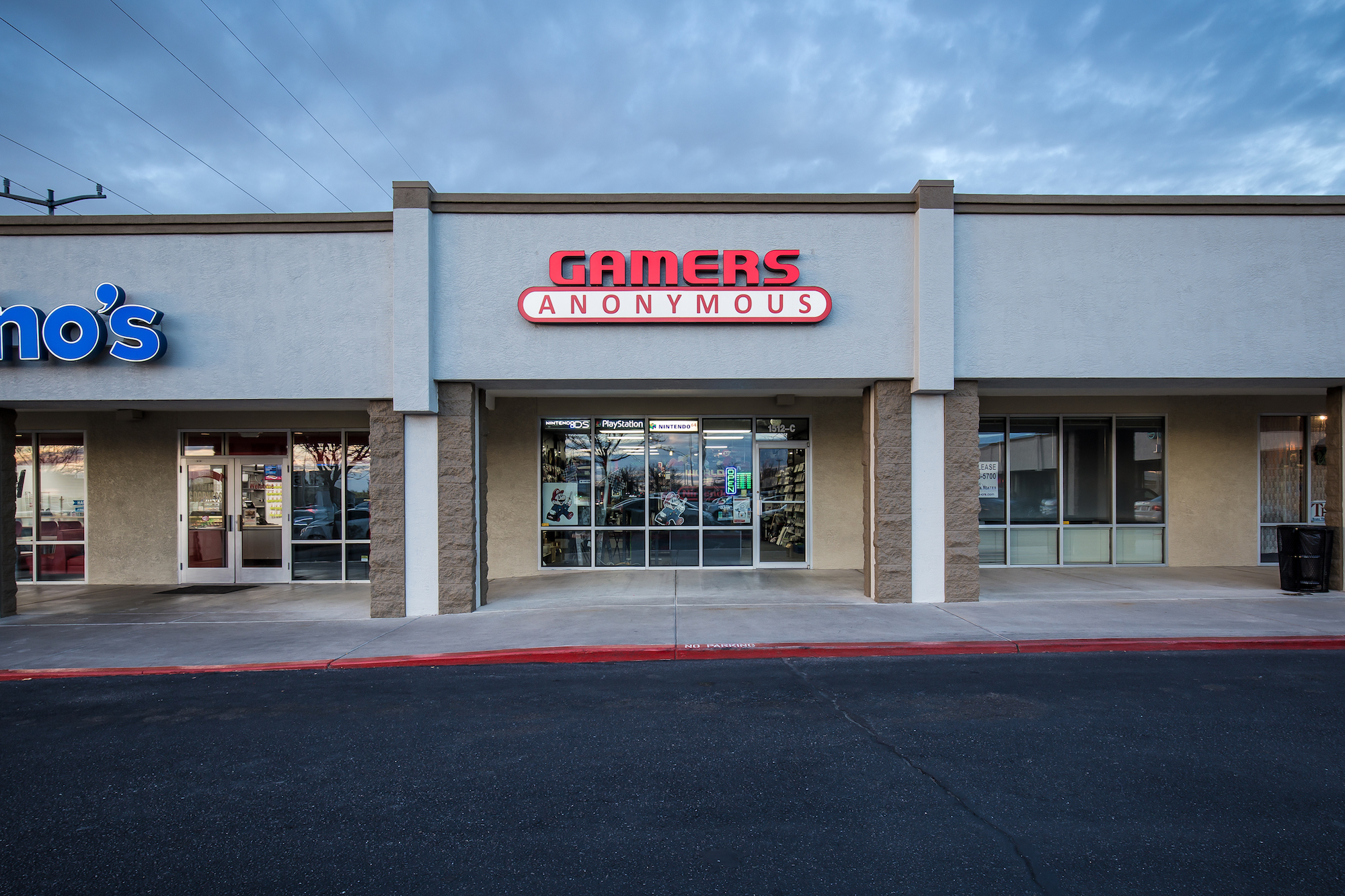
Gamers Anonymous in in Albuquerque, N.M. takes a relatively straightforward approach. It sells new and used games and doesn’t branch out into related fields like comics or movies. It sells some merchandise, but it makes the bulk of its profits on used games.


Jonathan Sakura, owner of Gamers Anonymous in Albuquerque, N.M.
Jonathan Castillo

Owner Jonathan Sakura bought the store in 2007, and says he was inspired by Japan-based chain Super Potato to turn it into something that celebrated games with rare items and marketing materials around the store.

For this story, he opened the store’s books to give Polygon a breakdown of all the money that goes into running it.

To keep Gamers Anonymous going on an average month, costs include $3,400 for payroll, $1,800 for rent, $976 for taxes, $250 for a miscellaneous bucket of minor expenses like cleaning supplies from Walmart, $200 for a point of sale system, $175 for credit card processing, $150 for electricity, $150 for insurance, $150 for internet and phone, $150 for an accountant, $100 for advertising, $100 for a FiveStars customer rewards program, $30 for gas and $6 for web hosting.

To stock the shelves, Sakura spends approximately $1,500 a month on new game and peripheral orders from distributors, and another $1,500 to buy used games from customers. That latter number varies, however, based on what customers bring in, and whether they want cash or store credit. (As part of a recent deal, a customer sold Gamers Anonymous a large collection for $15,000, throwing off the store’s monthly averages.)

Added up, that comes to $10,637 in a given month, which the store has generally been able to make back with a small buffer to keep things going, selling, on average, just under 1,000 of the store’s 4,500 games each month for approximately $12,000 in revenue. The numbers fluctuate through the year, though, slowing down in October and ramping up from November to February.

« There’s a misperception, sort of, of how a business has to make its money, » says Sakura. « You know, it’s really easy to walk up to some place and say, ‘Oh, well they just want to rip you off. They just want your money.’ Which, sure, if you’re a business, absolutely we do [want your money]. But we like to do it not through high-volume sales or high profit margins, but to establish a good relationship with our customers. …


Jason Brassard, owner of Trade N Games in Fenton, Mo.
Jonathan Castillo

« We’re not making dollars hand over fist like Walmart or GameStop. We’re making enough to survive and build the store slowly, essentially. »

Trade N Games’ numbers look relatively similar, with higher payroll ($4,000), rent ($3,000) and cost of games ($6,500) to cover a larger, 2,000-square foot, space with total costs adding up to $16,530 per month.

« If we [make] $17,000 to $18,000 in sales for the month, that’s just enough, » says Brassard. « That’s just barely enough. »

The numbers are tight enough for many that regional differences like minimum wage and rent costs can make or break a store. In our research for this story, we found zero independent game stores in San Francisco where rents are high. Forty-five miles away in the suburb of Antioch, 4JAYS makes the math work by staying in a cheap area that has low foot traffic and « Drug Free Zone » signs scattered around the streets outside.

« Mainly, we decided that we wanted it to be affordable for people to buy video games, » says 4JAYS’ De Amaral. « … [We wanted to] keep our overhead low so we didn’t have to, you know, be like another GameStop or some of our competitors that are pretty high ticket on their items. »

And there’s no lower overhead than getting rid of retail space altogether, as many selling exclusively through Amazon and eBay already have.

« That’d be the future, » says Brassard. « That’d be no need to pay employees or pay rent. Just do it all out of the house and write off whatever it is — 10 or 15 percent of the house — for business and just roll with it. My rent is $59.95 a month for my website, not $3,000. »

Momentum

Ultimately, none of this matters to someone who just wants a game. Many customers have nostalgic memories of visiting local stores, but for those looking for the best deals, they’ll generally find them online. And as time goes on, more and more games will be available digitally, and retail store costs will keep going up.

The longer a store sticks around, the higher things like rent, payroll and insurance will go up. And game profits won’t always rise to match the higher expenses. A store that made a healthy profit 10 years ago, without any changes to its customers or sales, may lose money today.

So with all the challenges involved in running a small game store, why do many continue to do it?

For De Amaral at 4JAYS, it’s partially to keep the family business going. Her family has run the store for almost two decades — « 4JAYS » refers to four family members whose names all start with « J » — and it’s a place for her and her parents to spend time together.

She says the store makes enough money to pay one person’s salary, but not to support the three full-time staff they have. They make it work since two of those three are her retired parents who volunteer, and her husband brings in enough to live on through another job. « So my money’s like the fun money, » she says.

« We always joke it’s more of a hobby than it is a business, » she says. « But we like doing it. »

She plans to keep the store running for as long as her father wants to keep working, noting that both of her parents, who are in their 70s, do the bulk of the labor involved in stocking, organizing, repairing and testing inventory.

« So I’m thinking once [my dad] quits, » she says, « I don’t even know that I want to pick up what he does. »

For Kevin Hicks at Game On in Muscle Shoals, Ala., the store also means more to him than just the money it brings in.

Before opening the shop in 2013, he planned to partner with a friend. The two had gone to school together and started selling their own games to friends, then ramped up to running flea market sales. Everything was going well, and he says his family was « shocked » at how much money they were making.

But shortly before opening the retail store, his friend got into a car crash, went into a coma and later died. Hicks remembers buying him a copy of Earthbound as a going-home-from-the-hospital gift; he never had a chance to deliver it.

« It was really tough to try to move on without him, » Hicks says, but he keeps certain items around the store as a sort of memorial, such as a favorite Yu-Gi-Oh! card that sits behind the front counter.

« So that’s like he’s got a piece of himself at this shop. »

For Stoner at Cap’n Games, it’s about having a place to settle down.

He grew up with parents that he describes as « transient minded, » so he moved a lot and dropped out of school at 15 to work with them in the woods. He then carried that approach into his early career, regularly opening small game stores, selling them for cheap (« whatever they had, basically ») and moving somewhere else to start over.

In the ’90s, that meant he often sold stores for around $5,000.

« Then I got married, I had kids, and for some reason, my wife was like, ‘No, I don’t want to move every year,' » he says with a laugh.

Now he’s grown comfortable and says he turned down a $100,000 offer for his current business, and would need an offer over $300,000 « to even consider » selling, despite recent raised rents forcing him to relocate to a pair of nearby locations.

« I don’t plan on moving anymore, » he says.


Game On in Muscle Shoals, Ala.
Jonathan Castillo

For Sakura at Gamers Anonymous, and many others we spoke to for this story, it comes down to simply enjoying selling and being around games all day.

The morning before an interview for this story, his store got broken into.

« I walked in this morning and saw my front window smashed in, » he says. « I took a bunch of pictures and was like, ‘Man, this is kind of discouraging.' »

Thinking about it for a moment, though, he says the store is worth the trouble. He reminds himself of another job he had before running Gamers Anonymous — working in a TiVo call center — and says it was hard to feel excited about going to work because he wasn’t excited about the product.

Selling games changed his outlook.

« You know, this is all I’ve wanted, » he says. « I worked in video game retail for so long before this. I know video games. I can give people honest answers, and I can help them find exactly what they want. And that’s all I love doing, just seeing people walk in and walk out with whatever it was they were looking for. »

LinkedIn Adds Native Video Sharing, Will Provide Job-Related Info About Viewers

Native video sharing is finally available on business-leaning networking site LinkedIn, making it arguably the last major social platform to incorporate video into the fold.

Users can upload videos to LinkedIn via its mobile app, reports Marketing Land, and videos will autoplay within’ feeds with the sound turned off. In order to record or upload a video, users simply click on a new video camera icon that’s been added to the status update box. Videos can either be horizontal or vertical, and up to 10 minutes in length. Viewcounts, likes, and shares will be displayed for all to see. As on Facebook, a view counts as at least three seconds of playtime. LinkedIn does not serve ads on videos yet.

LinkedIn’s video feature differs from other platforms in one major way, however, in that the company will provide video creators with professional stats about their viewers, including their current employers and job titles. While the platform won’t provide this information for every viewer, per Marketing Land, it will furnish “a selection of the top ones.”

LinkedIn previously offered a standalone app that enabled its most influential users to post short clips, but began piloting video within its flagship app among select U.S. users yesterday, according to Marketing Land. The feature will roll out globally to all users in coming months.

Ex-player sues Ohio St. for using image in marketing program – KOAM

By ANDREW WELSH-HUGGINS
Associated Press

COLUMBUS, Ohio (AP) – One of Ohio State’s most famous football stars sued the university Friday over a marketing program he says used athletes’ images without permission and robbed them of compensation.

Linebacker Chris Spielman filed the class-action lawsuit in federal court in Columbus on behalf of current and former Ohio State football players.

The antitrust complaint targets Ohio State marketing programs and contracts that promote the university using likenesses of athletes, including a Honda-sponsored program of 64 banners hung around Ohio Stadium featuring photos of former players.

In addition to Spielman, some of the other Ohio State greats whose pictures appear on those banners include running back Archie Griffin, who won the Heisman Trophy in 1974 and 1975; lineman Jim Stillwagon, who played on the 1968 national championship team; and Mike Doss, a safety who played on the 2002 national championship team.

All are among the athletes Spielman is suing on behalf of, said Brian Duncan, a Columbus attorney who represents Spielman.

The lawsuit names Ohio State and talent management giant IMG as defendants and names Honda and Nike as co-conspirators. Nike is targeted for its « Legends of the Scarlet and Gray » vintage jersey licensing program and other apparel contracts with Ohio State.

The lawsuit accuses the university and the companies of « unjust and monopolistic behaviors » and asks for compensation above $75,000, as is typical in such complaints, while noting Ohio State makes millions in revenue from merchandising programs involving ex-athletes.

« Former OSU student-athletes do not share in these revenues even though they have never given informed consent to the widespread and continued commercial exploitation of their images, » the lawsuit said.

The university is aware of the lawsuit and is reviewing it, athletic director Gene Smith said Friday.

« We immensely value our relationships with all of our former student athletes, » Smith said in a statement.

A message seeking comment was left with New York-based IMG. Brian Strong, a spokesman for Beaverton, Oregon-based Nike Inc., said Friday the company is aware of the lawsuit but doesn’t comment on pending litigation.

Honda said it has a three-decade-old relationship with Ohio State, and « we hope this matter will be resolved quickly. »

Spielman sued in his own right and on behalf of a newly formed company, Profectus Group Inc., created by ex-Ohio State wrestling standout Mike DiSbato, representing former college athletes. Griffin is also affiliated with the company, Duncan said.

The filing comes after eight months of unsuccessful negotiations with the university, Duncan said.

Spielman said he’ll donate any money he receives from the lawsuit directly to the university’s athletic department. He called the ability to negotiate corporate use of his name and image « a basic human right. »

« Ohio State is more than welcome to always use my name and image in any way they want to use it, » Spielman told 610 WTVN Radio on Friday.

« The problem comes in when they slap a corporate sponsor on my name and image without my permission, or without giving me the ability to negotiate – or any of our ex-players to negotiate – with that corporation, » he said.

Spielman also said attaching his name to Honda puts him in a difficult situation given a separate sponsorship deal he has with a local Mazda dealership.

Griffin told The Associated Press he fully supports the rights of former athletes to receive compensation from corporations and universities that benefit from the unauthorized use of players’ names and likenesses.

« There is no greater supporter of collegiate athletics than me, and I will be forever grateful for the opportunities provided to me as a former student athlete, » Griffin said in a statement. « However, the recent landscape of collegiate athletics has changed, and these institutions and corporations have a duty to treat all former athletes fairly. »

Griffin plans to donate his proceeds to a nonprofit affiliated with the Profectus Group, which will serve as a players assistance fund for ex-Ohio State athletes in need.

The lawsuit is the latest development in a trend of athletes fighting for compensation they say they’re owed as a result of their participation in intercollegiate sports.

Earlier this year, the NCAA and 11 major athletic conferences announced they agreed to pay $208.7 million to settle a federal class-action lawsuit filed by former college athletes who claimed the value of their scholarships was illegally capped.

Last year, the U.S. Supreme Court left in place lower-court rulings that said the NCAA’s use of names, images and likenesses of college athletes without compensation violated antitrust law. The lawsuit was originally brought by former UCLA basketball star Ed O’Bannon and later joined by other athletes.

After that ruling, athletic departments should know better than to undertake the kind of licensing arrangements with former athletes that Spielman is targeting in his lawsuit, said John Grady, a University of South Carolina professor of sport law.

« You can’t use someone’s image from however many years ago without compensation, given O’Bannon, » Grady said Friday.

___

Andrew Welsh-Huggins can be reached on Twitter at https://twitter.com/awhcolumbus.

Copyright 2017 The Associated Press. All rights reserved. This material may not be published, broadcast, rewritten or redistributed.

Tremor Video (TRMR) vs. MDC Partners (MDCA) Head to Head Contrast

Tremor Video (NYSE: TRMR) and MDC Partners (NASDAQ:MDCA) are both small-cap computer and technology companies, but which is the superior investment? We will compare the two companies based on the strength of their profitabiliy, dividends, risk, institutional ownership, valuation, analyst recommendations and earnings.

Volatility and Risk

Tremor Video has a beta of 1.36, suggesting that its stock price is 36% more volatile than the SP 500. Comparatively, MDC Partners has a beta of 1.56, suggesting that its stock price is 56% more volatile than the SP 500.

Valuation and Earnings

This table compares Tremor Video and MDC Partners’ revenue, earnings per share (EPS) and valuation.

MDC Partners has higher revenue and earnings than Tremor Video. MDC Partners is trading at a lower price-to-earnings ratio than Tremor Video, indicating that it is currently the more affordable of the two stocks.

Profitability

This table compares Tremor Video and MDC Partners’ net margins, return on equity and return on assets.

Institutional Insider Ownership

36.4% of Tremor Video shares are owned by institutional investors. Comparatively, 86.2% of MDC Partners shares are owned by institutional investors. 8.2% of Tremor Video shares are owned by insiders. Comparatively, 3.4% of MDC Partners shares are owned by insiders. Strong institutional ownership is an indication that hedge funds, endowments and large money managers believe a stock is poised for long-term growth.

Dividends

MDC Partners pays an annual dividend of $0.21 per share and has a dividend yield of 2.0%. Tremor Video does not pay a dividend. MDC Partners pays out -30.9% of its earnings in the form of a dividend.

Analyst Ratings

This is a breakdown of recent recommendations and price targets for Tremor Video and MDC Partners, as provided by MarketBeat.com.

Tremor Video presently has a consensus target price of $3.13, indicating a potential upside of 39.51%. MDC Partners has a consensus target price of $11.83, indicating a potential upside of 14.89%. Given Tremor Video’s stronger consensus rating and higher probable upside, research analysts clearly believe Tremor Video is more favorable than MDC Partners.

Summary

MDC Partners beats Tremor Video on 10 of the 15 factors compared between the two stocks.

Tremor Video Company Profile

Tremor Video, Inc. is an advertising technology company. The Company provides software for video advertising effectiveness. The Company operates through online video advertising services segment. Its technology optimizes performance of video advertisement campaigns across all screens, including computers, smartphones, tablets and connected televisions. The Company’s buyer platform enables advertisers, agencies and other buyers of advertising to discover, buy, optimize and measure the effectiveness of their video advertisement campaigns. The Company’s technology analyzes video content, detects viewer and system attributes, and uses its repository of stored third-party data to optimize and target the delivery of advertisement campaigns. Its buyers can transact directly on its buyer platform through the Tremor Video DSP, a user interface that allows them to manage the execution of their campaigns on a programmatic basis. The Company also offers a seller platform, the Tremor Video SSP.

MDC Partners Company Profile

MDC Partners Inc. is a provider of global marketing, advertising, activation, communications and strategic consulting solutions. The Company and its subsidiary agencies (Partner Firms) deliver a range of customized services. The Company’s segments include Reportable Segment, All Other and Corporate. The Reportable segment consists of the Company’s integrated advertising, media and public relations service companies. The All Other segment consists of the companies that provide the Company’s specialist marketing offerings, such as direct marketing, sales promotion, market research, strategic communications, database and customer relationship management, data analytics and insights, corporate identity, and design and branding. The Reportable segment includes the operations of various companies, such as Allison Partners, Anomaly, Crispin Porter + Bogusky, Doner, Forsman Bodenfors, Hunter PR, kbs, MDC Media Partners and 72andSunny.

Receive News Stock Ratings for Tremor Video Inc. Daily – Enter your email address below to receive a concise daily summary of the latest news and analysts’ ratings for Tremor Video Inc. and related stocks with our FREE daily email newsletter.

Head Of Twitter’s Influencer Marketing Network, Niche, Departs Company

Darren Lachtman, co-founder of the influencer marketing startup Niche, is departing Twitter — which acquired Niche for roughly $30 million in 2015. Niche’s other co-founder, Rob Fishman, departed the company last November to found Brat — a video destination for teens.

Niche, which formerly acted as a matchmaker between creators and brands on Twitter’s now-defunct Vine micro-video app, continues to arrange these deals on Twitter proper as well as on third-party platforms like Instagram and Snapchat. Niche has generated more than $200 million in revenue for Twitter since its acquisition, according to a company email announcing Lachtman’s departure obtained by Recode.

Twitter’s director of global partnerships, Nick Millman, will lead Niche going forward, while Niche’s former head of content strategy, Kristen Lachtman, will head Niche in the U.S. The company represents 50,000 creators and operates seven offices around the world, Lachtman shared in a goodbye message on Twitter earlier this afternoon.

Check it out below:

Move over TV: Why Mobile is Best for Sensory Marketing

Tzahi Stein, the CEO Founder of Positive Mobile, analyzes one of the hottest trends in mobile – food – whether it’s the stratospheric growth of food content publishers like Tasty, OR the fact the 42% of all In-Feed Mobile Video Ads on Positive in Q1 2017 were from food beverage marketers, and how mobile is tacking over Sensory Marketing from TV

For years, when trying to convince agencies and marketers to invest in mobile marketing campaigns, prospective clients would say that if mobile could deliver a TV-like experience, they’d invest even more in mobile video.

Well, it looks like that time has come.

Over the last 18 months, mobile has become the platform for food, led by food-driven content plays like Buzzfeed’s Tasty, which now has over 500 million monthly users – TV-like scale, as well as Tastemade and Time Inc’s recently launched Well Done.

And this trend extends to mobile video advertising, too. At Positive Mobile, 42% of all advertising run via our offering in Q1 2017 – In-feed Mobile Video Ads – where from food and beverage marketers (including restaurants).

Being a data-driven person, I wanted to find some data to support this trend. After all, digital marketing is being driven by data today. I ran across research from University of Michigan Marketing Professor Aradhna Krishna, a pioneer in the field of sensory marketing. Professor Krishna believes that evoking an imagined food smell through a visual cue increases the consumer’s desire for that food as well as their subsequent consumption of it.

From a research study conducted by Professor Krishna and published in the University of Michigan News, experiencing the above mentioned ‘visual cues’ through a mobile device also has an important impact. A series of studies suggest that when one person sees a self-indulgent food on a touch screen, he or she has the automatic imagery (also known as mental simulation) of reaching out and picking it up. The touch screen is consistent with this naturally occurring mental simulation and facilitates it—increasing the choice of hedonistic food.

So based on Professor Krishna’s research, one could say that for sensory products, mobile advertising is even better than TV. This helps explain why 42% percent of all advertising via Positive Mobile’s In-Feed Mobile Video in Q1 2017 was food-related.

For more trends in In-Feed Mobile Video Advertising from Q1 2017, please check out our infographic below:

Chandler’s Insys Therapeutics sued by insurers over marketing of its potent opioid drug

x

Embed

x

Share

CLOSEEXAMINING THE OPIOID EPIDEMICOpioid prescriptions have tripled since 1999 | 0:52

Doctors are cutting back on opioid prescriptions but not by nearly enough, federal health officials said.
Wochit

x

Embed

x

Share

CLOSEEXAMINING THE OPIOID EPIDEMICTrying to stop the opioid epidemic is an uphill battle | 1:11

To stop the opioid epidemic, the CDC is telling doctors to cut back on opioid painkiller prescriptions, but some people just end up turning to heroin.
Video provided by Newsy
Newslook

x

Embed

x

Share

CLOSEEXAMINING THE OPIOID EPIDEMICFDA asks opioid maker to stop sales | 0:37

At the request of federal regulators, the maker of painkiller Opana ER is pulling the drug off the market because of abuse.
After consulting with the U.S. Food and Drug Administration, on Thursday Endo International PLC said it will voluntarily stop selling the pills. They were approved for use in patients with severe, constant pain. When used as intended, the company says the extended-release opioid is safe and effective.
Last month, the FDA said it had concluded the drug is too risky.
It’s the first drug that the FDA has sought to remove from the market due to abuse.
Wochit

x

Embed

x

Share

CLOSEEXAMINING THE OPIOID EPIDEMICHigh opioid use revealed in survey | 0:40

More than one in five people insured by Blue Cross and Blue Shield were prescribed an opioid painkiller at least once in 2015, the insurance company reported.
Wochit

x

Embed

x

Share

CLOSEEXAMINING THE OPIOID EPIDEMICHow wide is the opioid epidemic’s reach? | 0:37

A new report found that opioid epidemics do not discriminate by age or areas of the country.
Wochit

x

Embed

x

Share

CLOSEEXAMINING THE OPIOID EPIDEMICFirst responders cope with endless heroin overdoses | 2:14

Opiod overdose runs are becoming commonplace across the country. First responders are dealing with an epidemic never before seen. It weighs on them.
Liz Dufour

x

Embed

x

Share

CLOSEEXAMINING THE OPIOID EPIDEMICAddicts using in public to avoid overdosing | 0:49

In a way to ensure they won’t overdose and not be found until it’s too late, opioid addicts are now using and collapsing in public in increasing numbers.
Wochit

x

Embed

x

Share

CLOSEEXAMINING THE OPIOID EPIDEMICThese two drugs drive the opioid epidemic | 0:34

Carfentanil and fentanyl are some of the driving forces in the most deadly drug epidemic the United States has ever seen.

x

Embed

x

Share

CLOSEEXAMINING THE OPIOID EPIDEMICScience Says: Why Are Opioids so Addictive? | 1:54

Pleasure. Craving. Withdrawal. When opioids act on the brain, they trigger the same processes that give people feelings of pleasure from activities like eating, but they do it far more intensely. (May 2)
AP

x

Embed

x

Share

CLOSEEXAMINING THE OPIOID EPIDEMICThe search is on for opioid alternatives | 2:05

The nation’s opioid crisis is forcing doctors and pharmaceutical companies to find alternatives to the highly addictive narcotic painkillers so often prescribed. (April 17)
AP

x

Embed

x

Share

CLOSEEXAMINING THE OPIOID EPIDEMICOpioid overdose drug spikes 600 percent in price as ODs increase | 1:03

The price of Evzio, a device intended to prevent death during an opioid overdose, has been increasing as the opioid epidemic spreads. Matt Hoffman reports.
Buzz60

x

Embed

x

Share

CLOSEEXAMINING THE OPIOID EPIDEMICVideo: Legal opioids rise nationwide | 1:26

A USA Today Network investigation reveals steep increases in legal opioids distributed nationwide from 2007 to 2015.

x

Embed

x

Share

CLOSEEXAMINING THE OPIOID EPIDEMICPolitics of pain: Lobbyists fought opioid limits | 2:38

The Associated Press and The Center for Public Integrity found makers of prescription painkillers have tried to kill or weaken state measures aimed at stemming the opioid crisis that has cost 165,000 Americans their lives since 2000. (Sept. 19)
AP

x

Embed

x

Share

CLOSEEXAMINING THE OPIOID EPIDEMICSome of the youngest victims of the opioid epidemic are children | 2:09

Some of the youngest victims of the nation’s opioid epidemic are children under age 5 who die after swallowing opioids. The number of children’s deaths is still small relative to the overall toll from opioids, but toddler fatalities are up.
Associated Press

x

Embed

x

Share

CLOSEEXAMINING THE OPIOID EPIDEMICIs Fentanyl to be blamed for recent spate of drug-related deaths? | 0:40

For many people, fentanyl can be a life-saver, easing profound pain. But outside of a doctor’s office, the powerful opioid drug is also a killer.
USA TODAY

x

Embed

x

Share

CLOSEEXAMINING THE OPIOID EPIDEMICMedical schools tackle opioid painkiller abuse | 1:49

Medical schools are expanding their training to help future doctors fight opioid abuse. New training programs at many schools teach students to prescribe opioid painkillers only as a last resort, and to evaluate patients for signs of drug abuse. (Ju
AP

x

Embed

x

Share

CLOSEEXAMINING THE OPIOID EPIDEMIC8 signs of substance abuse | 0:51

Are you concerned that a loved one is using drugs? Here are some signs that they may be in the throes of addiction.
USA TODAY NETWORK

  • Opioid prescriptions have tripled since 1999
  • Trying to stop the opioid epidemic is an uphill battle
  • FDA asks opioid maker to stop sales
  • High opioid use revealed in survey
  • How wide is the opioid epidemic's reach?
  • First responders cope with endless heroin overdoses
  • Addicts using in public to avoid overdosing
  • These two drugs drive the opioid epidemic
  • Science Says: Why Are Opioids so Addictive?
  • The search is on for opioid alternatives
  • Opioid overdose drug spikes 600 percent in price as ODs increase
  • Video: Legal opioids rise nationwide
  • Politics of pain: Lobbyists fought opioid limits
  • Some of the youngest victims of the opioid epidemic are children
  • Is Fentanyl to be blamed for recent spate of drug-related deaths?
  • Medical schools tackle opioid painkiller abuse
  • 8 signs of substance abuse

Insys Therapeutics of Chandler, already facing numerous legal challenges over the alleged improper marketing of a powerful opioid drug, was hit this week with a lawsuit from health insurer Anthem Inc.

The lawsuit came the same week that two of the company’s former sales representatives — one of them the wife of the company’s former CEO — pleaded guilty to arranging kickbacks for medical professionals. 

The lawsuit, filed July 12 in U.S. District Court in Arizona, accuses the company of fraud, negligent misrepresentation, unjust enrichment, civil conspiracy and engaging in deceptive, unfair and unlawful business practices.

RELATED: Opioid spray, deaths spur investigations

Anthem and affiliated Blue Cross entities accused Insys of scheming to obtain « millions of dollars in reimbursement from health insurers, including Anthem, that the company knew it was not entitled to » through the marketing of Subsys.

Subsys is an opioid made by Insys that’s roughly 50 times more powerful than heroin. Side effects of the fentanyl spray can include death by respiratory suppression, the lawsuit said.

Insys officials declined to comment, saying the company doesn’t discuss matters of ongoing litigation.

x

Embed

x

Share

CLOSE

Fentanyl is way more potent than an equivalent dose of morphine. It’s designed that way.
Video provided by Newsy
Newslook

‘Sham speaker fees’ alleged

Subsys was approved by the Food and Drug Administration for a narrow group of cancer patients who were opioid-tolerant, but the company pushed up demand to a wider market by paying doctors and other health professionals to write prescriptions, disguising the payments as « sham speaker fees, » according to the lawsuit.

« To address the reimbursement challenge that it faced (from insurers), Insys simply lied about the reasons the prescriptions were being written, » according to the lawsuit filed on behalf of Anthem by law firms Coppersmith Brockelman PLC in Phoenix and Minneapolis-based Robins Kaplan LLP.

Insys created its own reimbursement team, enabling the company to control the flow of information conveyed to insurers, according to the lawsuit, which contends Insys secured more than $19 million in payments from Anthem for unauthorized prescriptions, in addition to millions of dollars in costs paid by Anthem customers.

The company also is being investigated over Subsys by the U.S. Department of Health and Human Services, the U.S. Attorney’s Office in Massachusetts and attorneys general in 13 states, including Arizona.

Various physicians who have interacted with the company also are under investigation, and the company is facing federal securities litigation.

One of the former sales representatives who pleaded guilty this week is Natalie Levine, 33, of Scottsdale. She is the wife of Insys’ former chief executive officer, Michael Babich.

Levine, who represented the company in three New England states, pleaded guilty to one count of engaging in a kickback scheme that defrauded federal health-care programs, according to the U.S. Attorney’s Office in Connecticut. Her sentencing hearing has been scheduled for October.

Karen Hill, who represented the Miami region, pleaded guilty to the same charge.

The company saw its stock price tumble 7 percent this week. Insys shares closed July 14 at $12.15. The stock touched above $46 a share two years ago, in July 2015.

Reach the reporter at russ.wiles@arizonarepublic.com or 602-444-8616.

READ MORE:

Arizona had 191 opioid overdoses, 15 deaths in one week in June

Arizona declares opioid crisis a public-health emergency

Opioid overdoses join Zika, measles as a reportable Arizona health concern

Opioid, heroin deaths surge in Arizona

CVS is the latest to ease access to opioid-overdose drug in Arizona

Ducey’s limits on opioid prescriptions raise questions in medical community

Ducey limits Medicaid, state insurance opioid prescriptions

x

Embed

x

Share

CLOSE

Arizona Attorney General Mark Brnovich talks about steps to fight the opioid crisis. Robert Gundran/azcentral.com


7 Vital Elements of a Successful YouTube Video

YouTube is a marketer’s paradise.

The statistics are mind-blowing:

  • YouTube is the second most popular social networking site, with more than 1 billion monthly users.
  • In one month, 80 percent of people between the ages of 18 and 49 watch YouTube videos, meaning that there is a ready audience for your content.
  • Additionally, 60 percent prefer online video platforms to live TV, making YouTube one of the best marketing or advertising destinations.
  • Even better is the average amount of time your audience will spend on YouTube. On an average session, users spend about 40 minutes.
  • 300 hours of video is uploaded to YouTube every minute.
  • Millennials also spend a lot of their time on YouTube. Among millenials, YouTube accounts for two-thirds of the premium online video watched across devices.

Oh, and let’s not forget Google’s test leveraging YouTube videos in image search. It stands to reason Google will continue to find ways to test the integration one of its key assets.

It’s for all these reasons (and more) that YouTube is great for marketing.

Unfortunately, despite being exposed to this rich resource, some marketers have failed in YouTube marketing. So, in a bid to help, let’s look at the elements of a successful YouTube video.

Creating a YouTube Video

1. Branded Intro Footage

The importance of branding in marketing can never be overemphasized. Branding helps build loyalty.

Including branded info footage helps your loyal viewers to immediately recognize your work, hence not losing them to your competition.

Additionally, such branding is important for ensuring that your viewers remember the video, which is especially handy when they need to refer someone to it.

Even though they might forget the actual content and the name of the video, remembering your branded footage will help direct viewers to your channel.

2. An Attention-Grabbing Intro

Did you know that about 20 percent of people will leave after the first 10 seconds of your YouTube video? What’s even worse is that they might give you a thumbs down, and too many of that will only rid you of viewers.

So, what do you do?

It is all about the intro.

After including your branded intro footage, convince the viewer to keep watching. Clearly explain what they are about to see, and how that is of benefit to them.

If you’re showing them how to solve a problem, personalize it so that they feel that you have also been affected. This builds trust, and the feeling that the solution is valuable.

3. Background Music

Background Music

Should you include background music? After all, people are only interested in what you’re saying.

However, thanks to technology, we get bored. Fast.

There’s nothing more boring than a boring YouTube video. So you need something to keep your viewers interested.

Including background music to your video not only grabs attention instantly, but sets the mood for the viewing session, establishing an emotional connection. In addition, music drives the pace of the video, while a great soundtrack only gives viewers one more reason to share the video.

As you do this, however, be careful of two things:

  • That the music evokes the desired emotions and aura.
  • That you are legally allowed to use the music in your video.

4. Being Clearly Audible

Unfortunately, a great intro and nice background music can’t help if you aren’t clearly audible. Remember, the ultimate goal is for your audience to understand what you are putting across. If your video is just a pictorial illustration, then loud background music suffices.

On the other hand, if your video includes an oral presentation, then make sure you can be heard above the background music.

5. Brevity

Well, maybe not that short. That video has 1.9 million views. Clearly, short videos rule.

With YouTube allowing users to search for videos based on duration, among other filters, we clearly can’t ignore the importance of video length in YouTube.

6. Customized Experiences

Tap into micro-moments — times when people need to know, go, do, or buy something and turn to the closest device. Use data to give people what they want, when they want it.

This can take many forms. Consider establishing a connection between events on TV or the excitement around big moments in pop culture, politics, sports, tech and more. Another option is to leverage data to deliver personalized video content.

To get started with this process:

Google Trends

  • Visit Google Trends to help validate the increasing demand or topic.
  • Learn what people are searching for and tailor your videos to fit into existing conversations. A keyword research tool like keywordtool.io/youtube can help you narrow in on the right keyword targets.
  • Next, this free Chrome plugin from vidIQ will provide you with valuable competitive data for current ads that are going viral including: tags, social shares, average watch time, velocity, and more.
  • Lastly, once the video is created, leverage YouTube Analytics to answer “who is actually watching” and “what they are truly interested in”.

7. A Call to Action

As mentioned earlier, YouTube viewers are short on time. After all, there is too much content to view in one day. They have jobs and lives (presumably).

Consequently, you need to be creative about how you include your call to action because your audience will start to disappear over the length of your video.

Engagement significantly drops off after two minutes. This means, particularly for long videos, that you should not place your CTA at the end. Instead, consider clickable annotations that appear in the first few seconds of the video.

Bonus Tip: If you’re looking to grow your YouTube subscriber base, add the following parameter to your url: ?sub_confirmation=1. Here’s an example: https://www.youtube.com/user/jonleeclark?sub_confirmation=1. You’ll get a nice little popup prompting the user to subscribe.

Youtube Subscribe

The Way Forward

Reportedly, YouTube converts more customers than any other social site. This means that a poor performance on the site has a significant negative effect on your sales.

To improve performance, hence amass more in sales, you ought to perk up your videos by including branded intro footage, a great intro, background music, be audible, make short videos and lastly, have a wittily-placed CTA.


Image Credits

In-post images 1 2: Pexels

Screenshots taken by author, July 2017

Report: Are super-short video ads stifling creativity?

Dive Brief:

  • Agency creative executives think the trend toward creating video ads shorter than traditional formats like the 30-second spot is making it harder to tell a proper story or make an emotional connection with viewers, and that some of the pressure coming from Silicon Valley and social media platforms to truncate ads is hampering creativity, according to a report in Business Insider 
  • Other issues cited with super-short video ads suggest that they don’t easily fit easily into existing ad space and also make pricing difficult (a six-second spot being just one-fifth the length of a 30-second spot, for example).
  • Creative executives added that production costs aren’t much cheaper for shorter ads. Overall, there is a sense that major digital platforms like Facebook and Snapchat are dictating ad length to the advertising industry and forcing it to experiment « on clients’ dime, » Jeff Stamp, deputy chief creative officer for GreyNY, told Business Insider.

Dive Insight:

The frustration of creative executives with the trend toward super-short video ads is the latest indicator that agencies continue to face challenges in adjusting to the demands of digital marketing, and especially changing norms from what has been a steady comfort zone since the early days of TV — in this case, the standard 30- and 60-second video spots. Agencies likely feel particularly torn about the issue, as there is increasing pressure to create more emotionally-resonant, authentic-feeling marketing, which might be more difficult to do under ever-tighter time constraints.  

Stepping away from agency opinion, some video marketers might push back against the viewpoints in the Business Insider report. Super-short spots are valued in for being a snappy way to immediately draw interest and encourage further engagement on platforms like Snapchat, where users can swipe up on ads to access more robust, longer-form content. Creative execs’ complaints about digital platforms dictating ad length might also discount actual consumer viewing habits, especially as mobile commands more attention and plays a greater role in marketing. 

« Super short videos have disrupted the world of video marketing and will continue to play a pivotal role throughout 2017, » Jaclyn Rose, digital marketing lead at G2 Crowd, previously told Marketing Dive. « The 10-seconds-or-less video format has capitalized on today’s increasingly short attention spans. It’s the hook, the foot-in-the-door, the branding and awareness play that will turn video viewers into interested buyers. »