YouTube’s community of gamers, especially those who make videos that fall under the “Let’s Play” genre, can be a huge marketing asset for up-and-coming developers. Some video games, such as Day-Z, have received millions of sales thanks to their popularity on the internet.
How much impact does just one Let’s Play video have? When that video comes from YouTube’s most-subscribed channel, game makers sometimes see six figures as a result. The New York Times recently published a piece about video game developers and designers who use “YouTube as an accelerant. Among other anecdotes, the Grey Lady cited Ryan Clark, who estimated that YouTube star Felix “PewDiePie” Kjellberg’s playthrough of his game Crypt of the Necrodancerultimately catalyzed more than $100,000 in sales.
In a 2015 video, Kjellberg booted up Crypt of the Necrodancer and navigated the game’s dungeons, which require the player to stay in beat with the soundtrack. The affable (if controversial) Swede seemed to enjoy his time with the game, and when he was done with it, he posted a video to his channel (which currently has more than 57 million subscribers) with the title “AMAZING RHYTHM GAME!”
His fans responded by picking up copies of Crypt of the Necrodancer for themselves. Clark told the New York Times that he believes the PewDiePie video generated about $60,000 in sales on its own. In addition, several other YouTubers decided to check out the game after seeing Kjellberg play it, and Clark estimated that this “halo effect” pushed his PewDiePie sales up above $100,000.
If you were curious why game companies are so eager to get their titles in front of YouTubers, the example of Crypt of the Necrodancer provides a compelling case study. For additional anecdotes about games that have prospered thanks to their popularity on the internet, check out the New York Times‘ report.
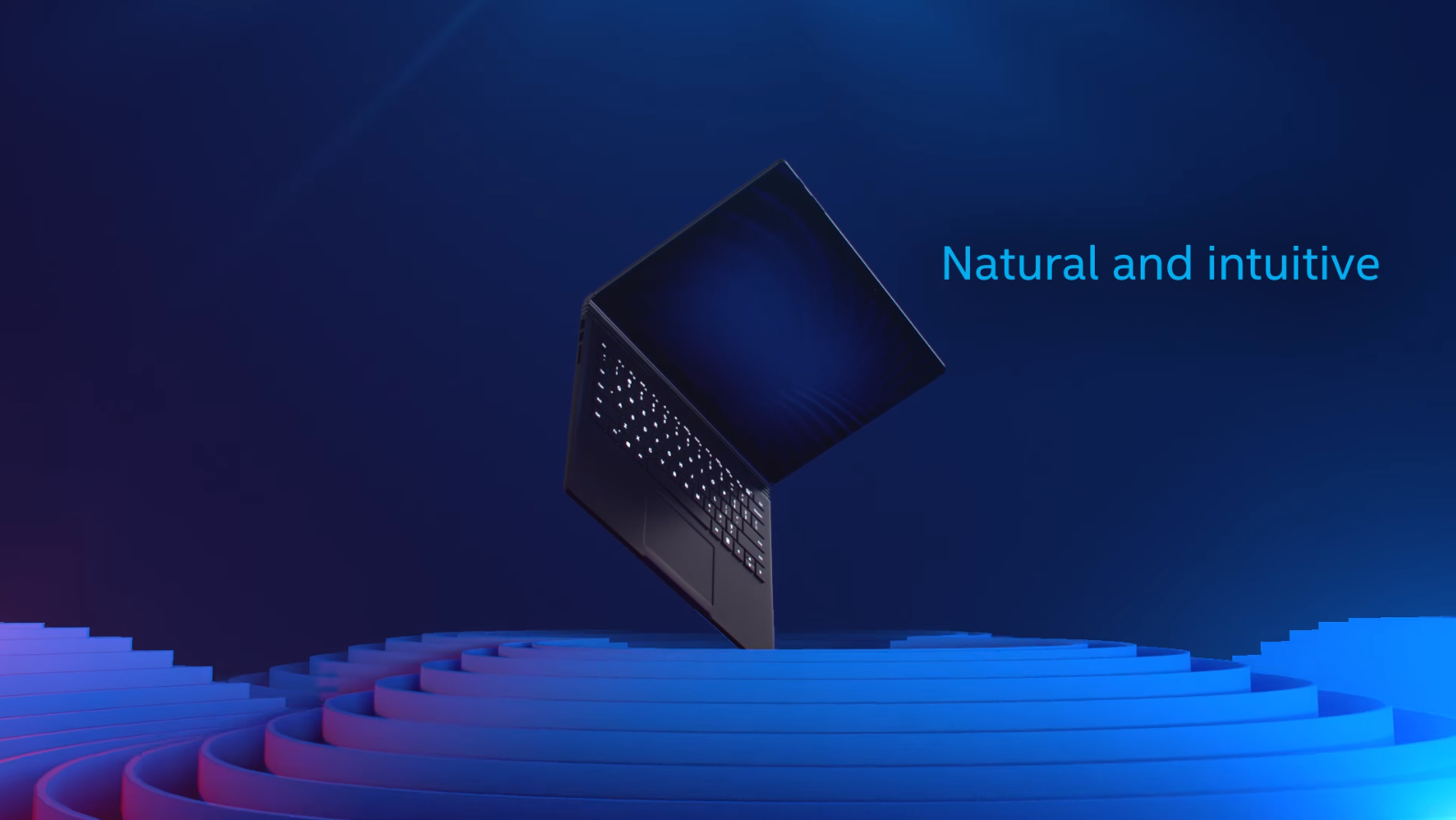
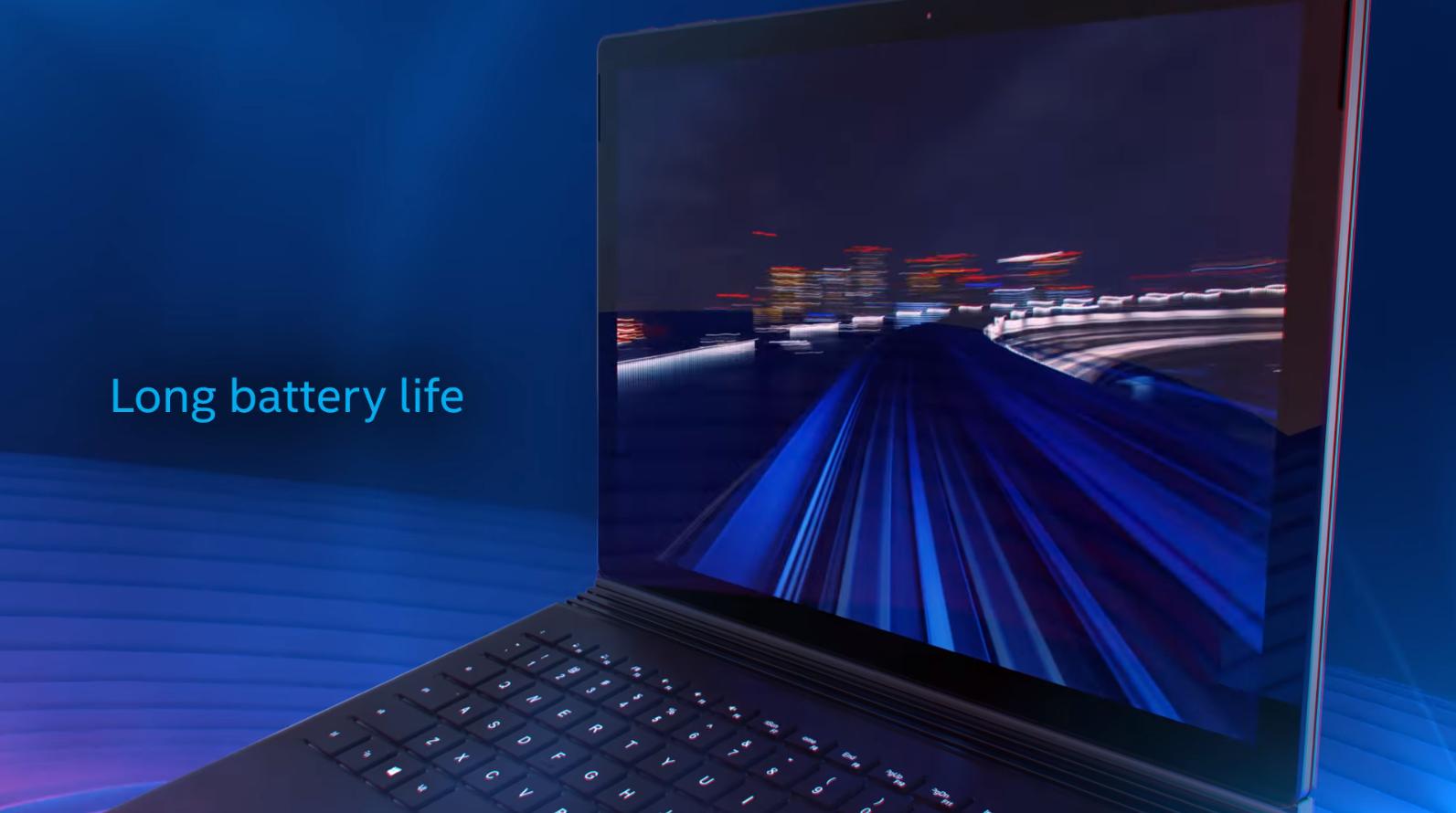
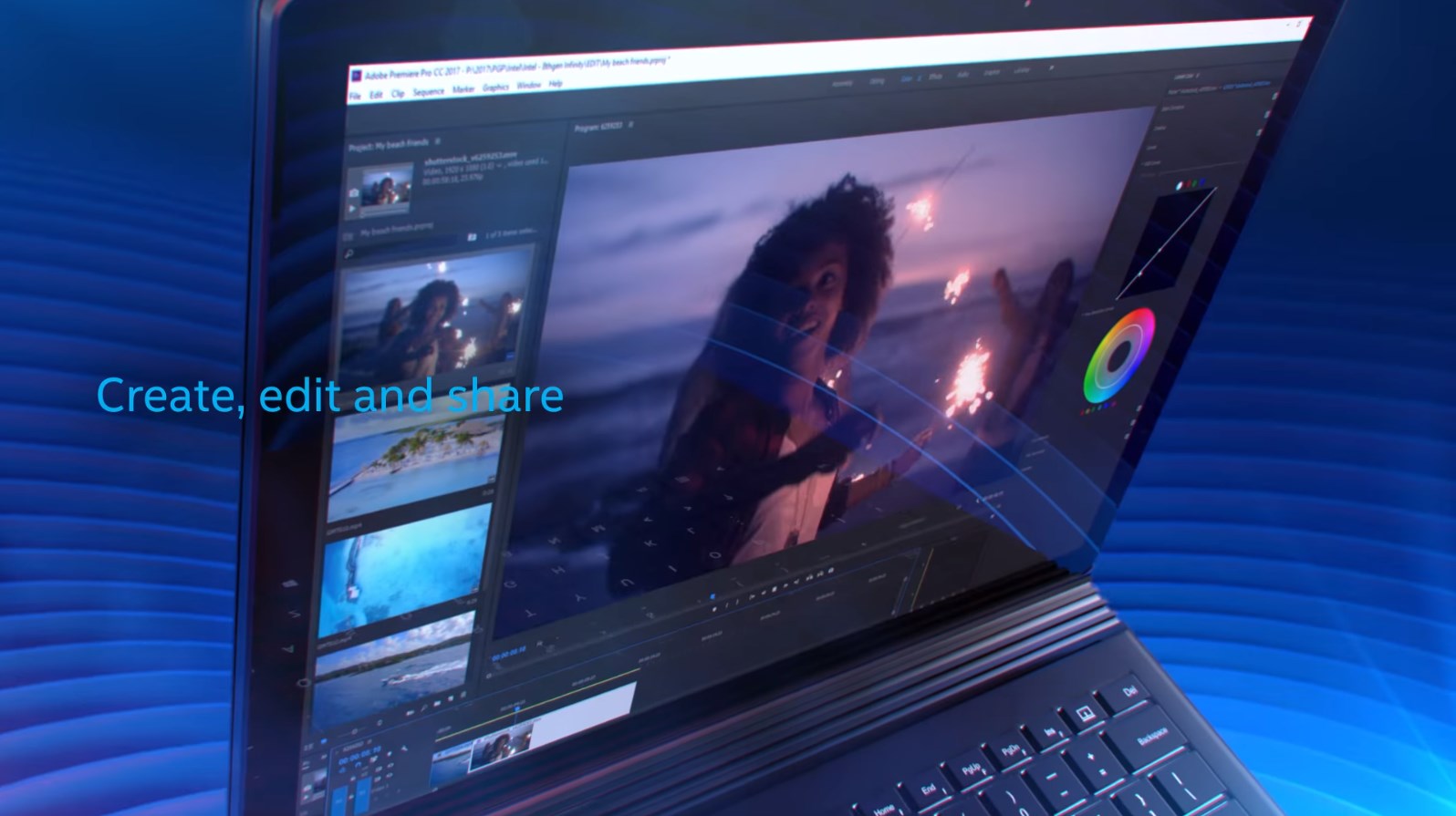
Intel unveiled its 8th generation Core processors earlier today, which will launch on laptops first. As part of the launch, Intel has produced a promotional video of what to expect from the next processors, which will bring quad-core chips more broadly to laptops. MSPoweruser has spotted that the video includes what appears to be a black Surface Book.
Microsoft currently manufactures a gray Surface Book, and the company hasn’t used black on its Surface line since the Surface Pro 2 nearly four years ago. The mysterious device in Intel’s video could be a marketing render, but it does include the exact same eject key found on the keyboard of the Surface Book and the unique fulcrum hinge that Microsoft uses on its laptop.
Microsoft is planning to launch an LTE version of the Surface Pro in October, and it’s possible the company might also refresh its Surface Book at the same time. Microsoft was one of the first PC makers to opt for Intel’s Skylake processor for its original Surface Book, but the company struggled with the architecture and a new Connected Standby (Instant On) feature of Windows 10.
While Microsoft eventually updated Surface Book firmware to fix some early issues, Consumer Reports recently found reliability problems with previous Surface devices. If Microsoft is planning to refresh the Surface Book, it would be surprising to see the company once again take Intel’s latest processors right away after the previous problems. Intel’s video tagline is “designed for what’s coming next,” so it could just be hinting that the next Surface Book will use the new quad-core Kaby Lake refresh processors.
Lindsey DiGiorgio, VP of Marketing for NinthDecimal explains, the way we consume content has evolved quickly, forcing marketers to rethink the way they engage with their target market. Whether it’s trying to reach the millennials who want to escape a world of ad pollution or speak to the cord-cutting viewers who ditch cable or satellite subscriptions – advertisers are having to work harder than ever to find their audience
The way people watch TV is changing right before our eyes. Think back to the last time you watched an entire television series, week after week, at its regularly scheduled time; or when you waited for the evening news to hear about the day’s big stories. TV has become more about the type of content (e.g. long- versus short-form video) than the flat screen mounted in your living room. The proliferation of new TV formats and on-the-go viewing are creating an exciting new world of engagement opportunities for advertisers, as well as more sophisticated measurement solutions to calculate ROI.
Understanding how the effectiveness of new digital TV advertising is driving specific consumer action requires brands to rethink the metrics they use . Take, for example, the traditional metric for measuring how effectively a TV ad is delivering a brand’s message, gross ratings point (GRP). While the GRP certainly has a place in TV measurement, it does not address all the demands of this new media ecosystem. For one thing, it’s only modeled to measure ad exposure, not consumers’ behavior in response to an ad. GRP also does not take advantage of new, more sophisticated measurement techniques to understand how effective an ad was at driving people to a website or – even more important for brands with a retail presence – a store.
Unlocking TV ROI With Physical-World Behavior
Understanding what consumers do when they are in the real world is taking ROI measurement well beyond TV’s traditional “eyeballs” metrics for advertising effectiveness. CMOs have begun to embrace foot traffic measurement based on physical-world behavior as a more reliable and actionable metric for calculating ROI, especially for omni-channel marketing campaigns. That trend is also being embraced across TV, increasingly making it an industry standard and enabling TV advertising to stay relevant and demonstrate its value in the digital era.
New technology, for example, can directly connect traditional “linear” TV ads (as well as on-demand, streaming and addressable TV ads) to consumers’ real-world behavior by matching audiences’ mobile device IDs to households in an anonymized, privacy-friendly manner. Measuring the change in store visits from target audiences through location data allows brands to finally “unlock” precise TV campaign ROI measurement.
Solving the traditional media measurement problem is becoming increasingly important for the TV industry as it undergoes a dramatic shift. But it’s even more crucial as the advertising ecosystem moves towards an omni-channel approach that incorporates TV into a wide range of other digital and physical media. With foot traffic measurement tied to specific ads, marketers can move towards a new universal metric, like cost-per-visit, that not only measures advertising success but efficiency too.
If brands can better understand the cost-per-visit tied to a TV ad and compare that to other types of media, its value becomes much clearer. So, even while the cost of a 30-second TV spot is often much higher than a banner ad, cost-per-visit metrics can reveal that the commercial is delivering more foot traffic per dollar spent than the banner ad. The bottom line is that TV doesn’t have to go the way of print if it can stay relevant in the current media landscape by shifting to a new, more reliable and relevant metric that is comparable across different channels.
What Marketers Need to Know About New TV Metrics
There are several questions that every marketer should ask themselves before leveraging foot traffic measurement technology for their next TV ad campaign. First, what are the primary insights you hope to reach from this type of measurement? For example, are you looking to compare different creatives’ ability to drive traffic to stores? Or do you want to see which region was most affected by your national TV spot? Maybe you are looking to test the efficiency of different networks, dayparts, or even types of media. Whatever it might be, defining your goals upfront is important when deciding what measurement technology to use .
Second, it’s important to know that the data being used to create foot traffic insights will be reliable enough to meet your needs . Take exposure data sources, for instance: is the data based on linear, over-the-top (OTT) streaming, addressable TV or some combination of those? How is the measurement provider connecting real-world behavior and household viewing habits? (Watch out for convoluted guesswork and modeling or privacy violations.) Basically, you should be asking yourself, is the methodology sound and conducted on a statistically significant scale?
Finally, can the measurement provider deliver an apples-to-apples comparison of digital, mobile and other advertising mediums using the same metric? This is incredibly important in the new world of omni-channel advertising. As advertisers inevitably start to unify around more reliable metrics like cost-per-visit, marketers must fully understand what they mean (and the technology behind them) to realize their full value.
Initial deposits have been paid for three penthouses, sold for $14.5 million, in the proposed and yet-to-be-built 57-level Pacifica Auckland apartment tower.
Gavin Lloyd, residential projects national director of sole agent CBRE, said the places had sold for $4.48m to $5.27m and were above the « sky homes » upper levels.
Extensive views from the planned Pacifica tower.
The apartments sold are to be on level 50 and 51, he said.
« The level 50 places will be 190sq m and 235sq m and the level 51 will be 190sq m. The 190sq m places are two bedrooms and the larger ones are three bedrooms, » he said.
All three places went to New Zealanders, he said.
« People from overseas are also interested, particularly from Britain, the United States, Australia, Hong Kong and Singapore.
« Earlier in the year, our offices in Hong Kong and Singapore were involved in marketing The Pacifica, mainly to ex-pat Kiwis living in those locations. But we’re not marketing it in China, » he said.
Deposits had now also been received for more than half of the 282 apartments in the 178m tower planned for 10-12 Commerce St off Customs St East opposite the Britomart area, Lloyd said. Construction work for the tower planned by Hengyi Pacific is due to start before the end of this year.
Buyers are putting down 10 per cent deposits.
« More owner-occupiers are buying into this than investors, which is quite unique in the Auckland CBD apartment market. The building has been deliberately designed to suit owner-occupiers. It’s not particularly aiming to draw Chinese who don’t live in New Zealand, » Lloyd said.
Apartments are selling from $657,000. The tower is divided into distinct zones: Commerce Residences, Tower Suites, Sky Homes and penthouses.
Buyers pick from 34 floor plans from one bedroom and one-bedroom plus a study, Lloyd said.
Icon Co, a builder new to this country, was last month named as the construction company contracted to put up the tower between Customs St and Gore St in the CBD.
Hengyi Pacific, the Chinese-headquartered developer with an Australian office, announced the builder.
Dan Ashby, one of New Zealand’s most experienced high-rise commercial construction chiefs who also worked on the Burj Al Arab in Dubai, will head Icon here.
Westpac provides some tips about buying apartments off the plans.
« The key is to question what you’re getting into before handing over your cash. Because if you don’t do your research, you could end up with a very expensive lemon.
« You need to be careful to check out the developer’s and builder’s track record and credentials to be sure you can trust them. Otherwise, if you don’t get what you think you’re getting, you could end up in court, » Westpac warns.
« You need vision to visualise the finished product and everything that goes inside. Construction can take two to three years before completion. You need to be patient, » the bank says.
Nine apartments worth about $6m in Auckland’s giant Sugartree apartment project were being quietly promoted for sale last month, as buyers who put down 10 per cent deposits tried to sell before settlement in August.
Martin Dunn of City Sales said his company had sent out information to 35,000 potential buyers on his company’s database and he was confident the places would sell.
Cook Islands Tourism (CIT) is looking to looking to build out a comprehensive digital advertising strategy after its first-ever programmatic activity resulted in double-digit brand recall across Australia and New Zealand consumers.
The month-long programmatic campaign ran in April and encompassed video, search and display ads running across Web and social channels targeting Australian and New Zealand consumers. A key element was building custom audience segments into a data management platform (DMP) in order to reach the destination’s target consumer: The ‘soft explorer’.
The work was done in partnership with Sparcmedia and The Core Agency and importantly, supported by pre- and post-brand impact research by Sparcmedia’s parent company, Pureprofile. The research looked into the key objectives of the campaign, the advertising impact on raising brand awareness, and the improvement in how consumers perceived the destination as an adventurous holiday, rather than a resort island.
Cook Islands Tourism director of sales and marketing, Karla Eggelton, told CMO the islands are a new destination to the Australian market but a mature one for New Zealanders. The group recently implemented a destination brand, the first in over a decade, and wanted to understand how audiences related to its messaging as well as verify pre-conceived notions about what Australians wanted in a holiday destination.
The team was also looking for a way to use measurable insights to develop a digital strategy that could amplify its brand work.
“It was basically the pre-strategy to build the [digital] strategy,” Eggelton said. “For a small destination like ours, that has very low awareness in Australian market, we needed to understand how the message would resonate with our target audiences. We’re also limited by budget. So entering the digital space required us to be very careful. We felt trialling this and developing a test would assist us in understanding who, how and why in that space.”
Eggelton described CIT’s core ‘soft explorer’ audience as the traveller who is experientially led and likes to “discover the undiscovered”.
“We want to set ourselves apart as a South Pacific destination that isn’t sleepy or soporific,” she said. “We want to be able to engage customers and provide a meaningful experience. Now that we’ve been able to identify the best fit for our market, we want to go out and understand how they think.
“We are a vibrant, colourful, energetic destination, so our messaging needed to reflect that. We’re also very light-hearted people and we wanted to ensure people understand the character and personality of our destination from a people to people point of view.”
In terms of the core NZ market, the digital advertising trail was also a way to see whether CIT could drive deeper into the Kiwi psyche and build out its appeal to soft explorers in that geography, Eggelton said.
It worked, she said. CIT’s online advertising efforts chalked up a brand recall of 20 per cent among Australian consumers and 28 per cent among New Zealanders. When comparing pre- and post-campaign surveys, Australian brand awareness for the Cook Islands was found to have increased by 1 per cent, brand recall by 5 per cent, and the desire to visit the destination by 3 per cent.
The study also showed the perception of the Cook Islands as an adventurous destination increased by 5 per cent among the New Zealand audience, expanding CIT’s customer segment in that market. These insights were used to optimise media activity during the one-month campaign period.
“We wanted to see if our messaging would shift the dial around awareness, and we were able to do that – more so than I anticipated,” Eggelton continued. “It told me two things. The first was that our approach was a gamble but proved right. Secondly, that the Australian market is exactly what we expected them to be. They resonate with the destination experience we have to offer.”
Eggelton said the video content and social worked particularly well. “We found we performed better particularly in the social and by utilising video – that goes along with the general trend,” she said. “But we also found the messaging in the videos and social was a lot more personal and that worked in our favour.
“What it boiled down to was not being perfect, made us perfect.”
Next steps
The campaign was conducted in the last quarter of CIT’s financial year and designed to provide the foundation for a longer 3-5 year strategy that had digital as a major component. Short-term, Eggelton said further investment into digital is being rolled out and CIT is looking at how to dig deeper into its target audience segment.
“The soft explorer was our big land grab, we’d like to define that better now. For example, younger and more active market, more targeted with that,” she said.
“Digital is still a new area for us and we’re still learning. We’re two years into the brand, and we need to build out our customer segmentation, customer journey mapping, and evolve everything we do in the space based on measurable results.”
As a government agency, internal capability building is a key part of the planning, Eggelton said, adding CIT is now working to build out team skillsets with the support of marketing and technology partners.
“There are very few economic development organizations in the state of Ohio which are utilizing this technology. We wanted to be on the forefront of that,” assistant director Chris Castle said. “Drone footage is a big key to marketing properties these days.”
Mastering the flyovers and fly-bys on behalf of NEDC are Norwalk resident Jordy Horowitz, a licensed remote pilot. In August, he passed the 60-question FAA Part 107 knowledge test, which focuses on regulations covering air space, FAA rules on where you can and can’t fly and safety precautions.
“The test is pretty challenging,” Horowitz said. “It probably took me a couple weeks to study.”
His wife, Heather, is the NEDC director.
‘);
}else{
document.write( »);
}
“We are very fortunate we have someone who has a license who will donate his time,” she said, noting that his FAA license, which he paid for, allows him to obtain commercial footage.
Heather Horowitz shared the importance of using drones to attract businesses to the Norwalk area.
“Using drones will help with attraction,” she said.
Since it’s difficult at times for business owners to visit the community, Horowitz said NEDC can provide them critical information in a video that incorporates the drone footage. She said it allows businesses to have a “virtual depiction” of a property and how it may be developed while also showing off the beauty of Norwalk.
Castle edits the footage into videos for businesses considering coming to Norwalk. He said it takes about 20 minutes of raw video to create a 2 1/2-minute clip.
While editing the videos, Castle adds instrumental music that he owns. He said he may consider selecting “something industrial” for a prospective warehouse site or an acoustic song to complement an empty parcel of land.
“You have to think of the type of property when you’re choosing the music for this,” Castle added.
The NEDC videos feature graphics on the utility capacity, zoning information, previous use and size of the property a business may be considering.
“Anything that used to be in an Excel spreadsheet is now on the title overlay in a gorgeous 4K video,” Castle said.
Jordy Horowitz, who obtains the footage “in kind” for NEDC, shared what goes into the research he needs to do when he operates a drone. He references sectional aeronautical charts, which are navigational references of the area which include information on the heights of various structures, geology and topographical information on things like towers and mountains.
“A sectional chart has tons and tons of data on it,” said Horowitz, who also consults phone apps to determine the wind speed.
The Norwalk man has 35 to 40 hours of experience flying the NEDC drone, which was purchased in December from Daniel’s Hobbies.
“I picked it up pretty quickly. I have pretty good spacial awareness,” said Horowitz, who believes that gift is an important skill in operating a drone.
The upcoming total eclipse, as it turns out, is nothing more than a promotional stunt for Kingsman: The Golden Circle, at least according to 20th Century Fox. After starring in one of the sleeper hits of 2015, Eggsy (Taron Egerton) and Harry (Colin Firth) are back again for some world saving – this time, however, they cross the pond and go global with the introduction of their American counterparts, the Statesman. Backed-up by some new allies like Champ (Jeff Bridges), Tequila (Channing Tatum), Whiskey (Pedro Pascal) and Ginger Ale (Halle Berry), they will work together to foil the evil plans of the kooky but deadly antagonist, Poppy (Julianne Moore) and the secret organization that is The Golden Circle
After a slew of trailers, TV spots, posters and a fun-filled panel at last month’s San Diego Comic-Con, the studio behind one of the most anticipated sequels of the year went full on with their marketing campaign for the film claiming the eclipse, which is set to happen on Monday August 21, as something made to promote The Golden Circle. Obviously, the move is a joke, but nevertheless entertaining, especially with how Fox continues to come up with clever and downright hilarious ideas to promote their property.
Dubbed “The Greatest Movie Promo Ever,” the fake featurette posted on Fox’s official YouTube account details how folks over at the studio came out with the brilliant plan of moving the moon to line-up with the sun and mimic The Golden Circle logo. It even features an interview with a supposed aerospace engineer who talks about creating a “man-made solar eclipse.” You can check out the humorous clip above.
In conjunction with the eclipse, special eclipse glasses are supposedly being sold. The eyewear is crafted similarly to Harry’s half covered spectacles that he has been seen sporting in The Golden Circle promo materials. The design is in light of him being shot point blank in the face by Richmonde Valentine (Samuel L. Jackson) in Kingsman: The Secret Service. While it is a look that Harry seems to have grown accustomed to, it might be a little hazardous for normal people to walk around with only one eye.
The kind of loose and fun marketing strategy fits the vibe that the budding movie franchise is going for. The Matthew Vaughn films do not take themselves too seriously and are almost parodies of the early James Bond/spy genre with their over the top action set pieces and wacky villains. That said, the references to classic spy films don’t crimp the quality of the Kingsman movies, which makes them a fun time at the cinemas. In hindsight, the brilliant and effective marketing for last year’s Deadpool (which is also under the Fox banner) could also be a huge influencer with the route Kingsman: The Golden Circle is taking in terms of promoting the film.
IT (the first in a planned duo of films adapting Stephen King‘s classic novel) initially centers on The Losers Club in Derry, Maine in the 1980s. Following the disappearance of a young boy named Georgie at the hands of a demonic clown named Pennywise, the kids in Derry begin to suspect that there’s something not quite right in their seemingly idyllic town. As they dive deeper and deeper into the mystery, they soon uncover a terrifying secret that will haunt them for the rest of their lives. There is, of course, plenty of anticipation surrounding the film (particularly because of its distance from Tim Curry‘s iconic portrayal of Pennywise in the original miniseries), but this version of IT does look like an entirely different beast altogether.
TopVid, a new automated ad builder, offers brands the ability to easily create engaging video ads to promote products or services on social media.
A new ad builder has a variety of pre-built e-commerce, product showcase, mobile app and video text templates allowing users to create video material for marketing campaigns.
“We are building TopVid because we believe that we will see less and less boring static ads. Video ads are already here and we want to allow everybody create highly converting video ads without any production costs or design skills,” says the founder of TopVid, Alex Flom.
TopVid dashboard
Clearly, TopVid’s slogan “sell more with stunning Facebook Video Ads” has been chosen to target advertisers on the largest social media network. Although automated ad builder by TopVid allows brands and solo entrepreneurs create video and share it on any social media platform or website, Facebook users will be at the forefront to try this new tool.
Engaging video ads are one of the biggest trends on social media, particularly on Facebook, which now has nearly 2 billion users. According to eMarketer, by 2019, the total U.S. digital video advertising spend is projected to eclipse $14 billion.
According to the report from L2, Facebook accounted for over 48 percent of total video views, the highest share among the three major platforms. The same report concluded that brands are upping their video investments on Facebook. Video comprised 21 percent of brand posts in Q1 2017, marking an increase of 6 percentage points from Q1 2016.
A new platform by TopVid is aiming to fill the growing niche of automated video ad-builders.
“We are different from other video creation platforms because we are focusing on video ads and optimize all our templates for highest conversion. We work with ad agencies and optimize each template for highest conversions,” said the founder.
The Latest Video from Minuteman Press International Highlights the Importance of Building Relationships as a B2B Franchise Owner; Video is Available on Minuteman Press Franchise Review YouTube Channel
Minuteman Press International, the world’s largest and #1 rated design, marketing, and printing franchise, has released a new B2B franchise marketing video called Working Together to Build Your Business. Watch the new video on YouTube here on the Minuteman Press Franchise Review YouTube channel.
« For this video we wanted to focus on the heart of what our franchise owners do, which is build relationships and help others build their businesses, » says Nick Titus, Minuteman Press International VP of Marketing. He adds, « Our franchise owners are the stars of the Minuteman Press franchise system and we wanted to shine the light on the incredible work they do on behalf of their clients. Minuteman Press franchisees are working together with their customers to design, print, and promote their businesses, and this video speaks to the emotion and power behind these relationships. »
For more information on Minuteman Press franchise opportunities and to watch exclusive Minuteman Press franchise reviews and owner videos, visit http://www.minutemanpressfranchise.com
About Minuteman Press International
Minuteman Press International is a number one rated business marketing and printing franchise that offers world class training and unparalleled ongoing local support. Started in 1973 by Roy Titus and his son Bob, Minuteman Press began franchising in 1975 and has grown to over 950 business service franchise locations worldwide including the U.S., Australia, Canada, South Africa, and the United Kingdom. Minuteman Press is ranked #1 in category by Entrepreneur 25 times and 14 years in a row, including 2017. Franchise Business Review has also named Minuteman Press International to its 2017 Top Franchises and 2017 Top B2B Franchises lists thanks to positive feedback and reviews from owners.
At Minuteman Press, we are the modern printing industry, providing high quality products and services that meet the needs of today’s business professionals and go way beyond ink on paper. Today, our centers offer innovative branding solutions and produce custom designs, promotional products, branded apparel, direct mail marketing, large format printing (banners and posters), signs and graphics, and much more. Prior experience is not necessary to own and operate a successful Minuteman Press franchise.
To learn about Minuteman Press franchise opportunities and access over 80 testimonials and Minuteman Press franchise reviews, visit www.minutemanpressfranchise.com or call 1-800-645-3006 for more information.